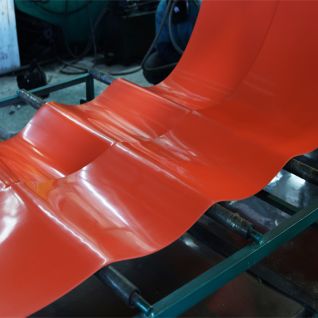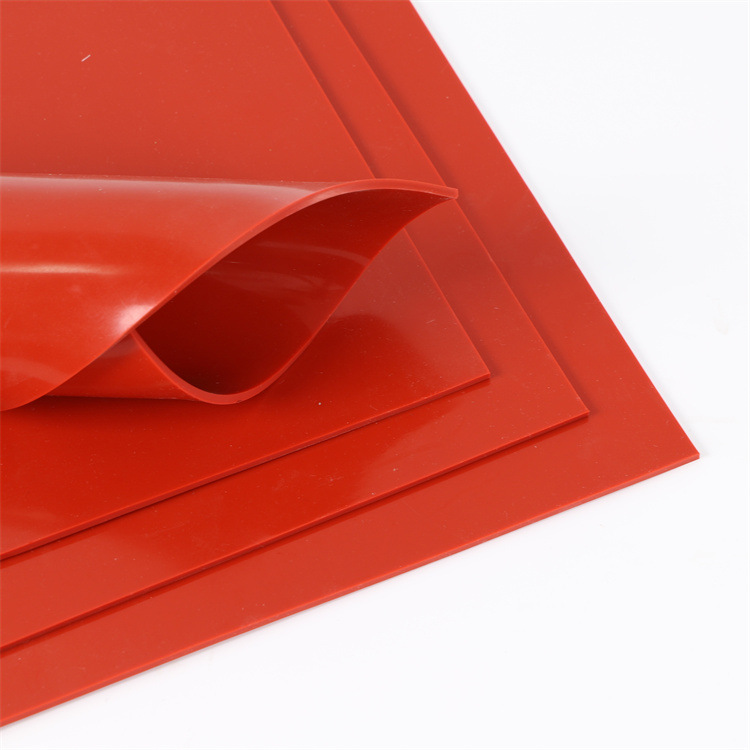
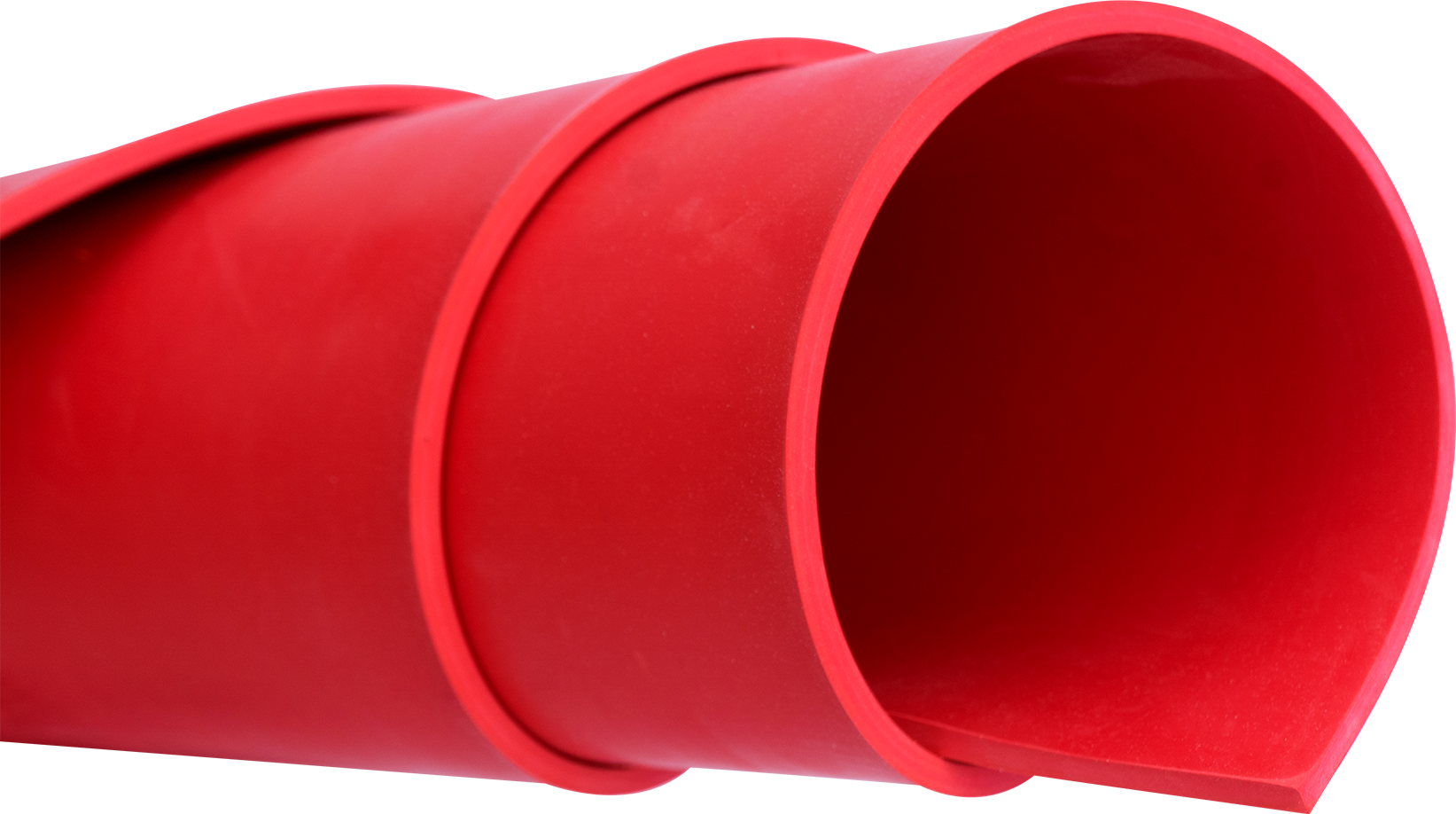
Premium natural rubber is excellent for abrasion, impact, and corrosion resistance. Provides unmatched wear performance in the toughest abrasion environments.
Pure natural rubber is outstanding, particularly for handling slurries. The inherent properties of strength, resilience, and cut resistance have a direct effect on wear performance. That is suitable for rubber lining in Mining, Sand, Gravel and Glass Industry for Equipment protection and Noise dampening.
The rubber sheet with CN bonding layer offers excellent durability, ensuring that the adhesion remains intact over an extended period. This long-lasting bond provides reliable performance, even in demanding environments or under challenging conditions. It enhances the overall strength of the bonded materials and surfaces.
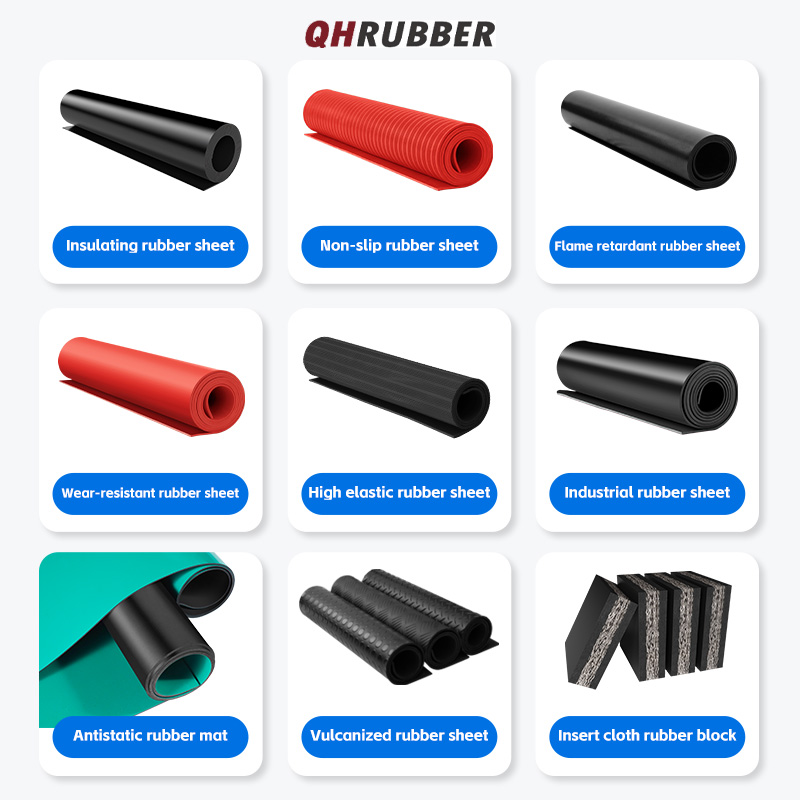
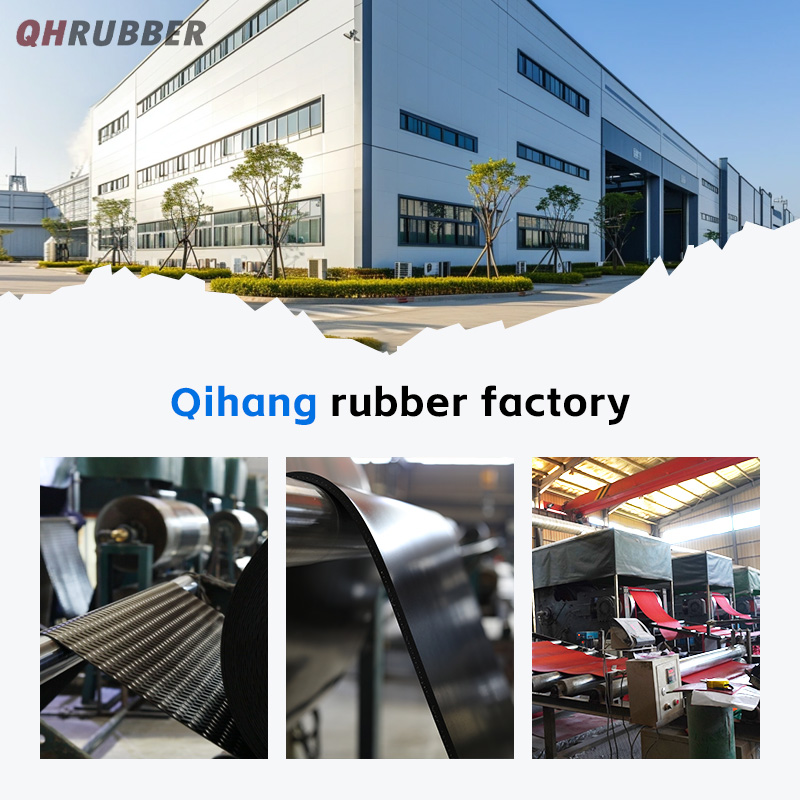
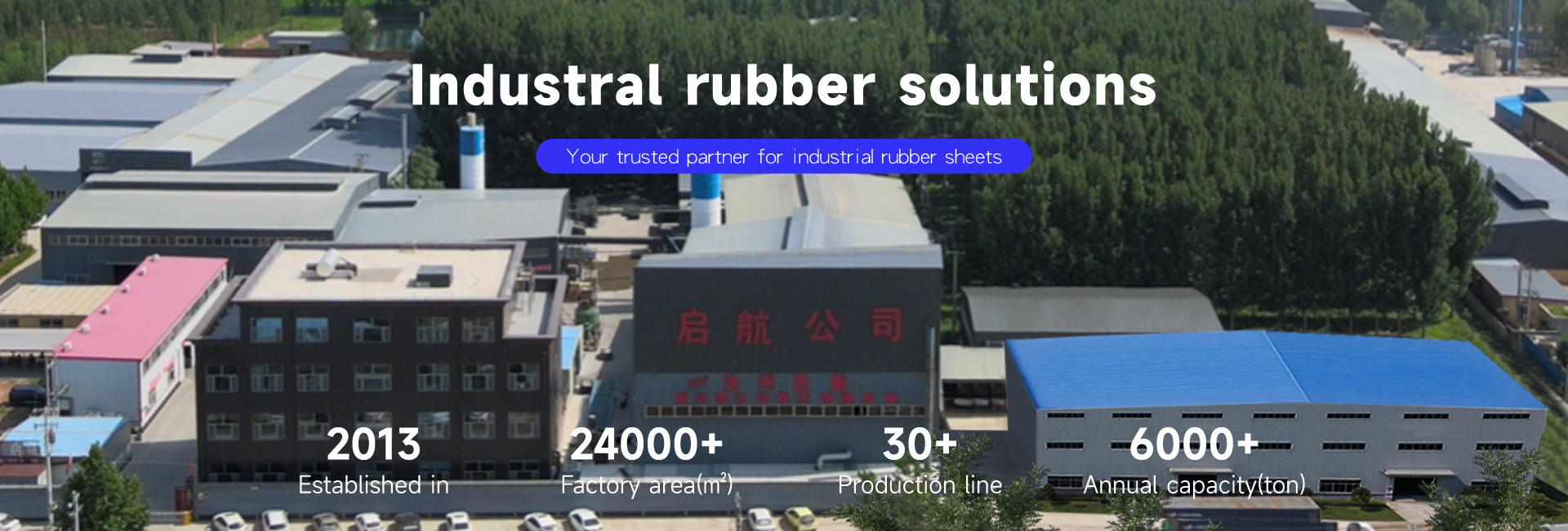
Qihang Rubber supplies wear-resistant natural rubber sheets for industrial lining, mineral processing, material handling and general equipment protection. The product is specified by compound, hardness, thickness, width, surface finish and fabrication method so buyers can match the sheet to the actual wear zone.
Natural rubber sheet selection should begin with the operating duty rather than a product name alone. Sliding abrasion, direct impact, slurry, particle size, temperature, chemical exposure, available clearance and installation method all influence the final specification. This page summarizes the current product information and the quotation details needed for a technical review.
For wear-resistant sheet used in slurry pump applications, see the Slurry Pump Rubber Lining Selection Guide for component and service-condition details.
For slurry pipe, elbow and pipe-spool applications, review the Slurry Pipe Rubber Lining Specification Guide before sending drawings and operating conditions.
Wear-resistant natural rubber sheet can be considered for replaceable protection panels, rubber lining sections, chute and hopper liners, pipe and tank protection, skirting, gaskets and other fabricated components. The appropriate compound and finish depend on the contact material, the movement at the surface and the selected fixing system.
| Product | Premium wear-resistant natural rubber sheet |
| Main applications | Slurry chutes, pipes, tanks, cyclones, flat cells, launders, storage bins and industrial lining sections |
| Standard thickness | 1 mm to 50 mm |
| Standard length | 10 m, 33 ft or 11 yd, subject to the selected format |
| Standard width | 1.2 m, 1.4 m, 1.5 m or 2 m; 48 in, 54 in, 60 in or 79 in formats may be reviewed |
| Surface finish | Both-side smooth, one-side smooth, fabric finish, buffed finish or bonding-related finish subject to review |
| Color | Natural, red, black or a specified color requirement subject to compound and order confirmation |
| Polymer | Natural rubber or a specified natural-rubber blend subject to technical confirmation |
The values above are a starting point for selection. Confirm the final dimensions, tolerances, hardness, compound and test requirements before production, especially when the sheet is being used as a replacement liner for existing equipment.
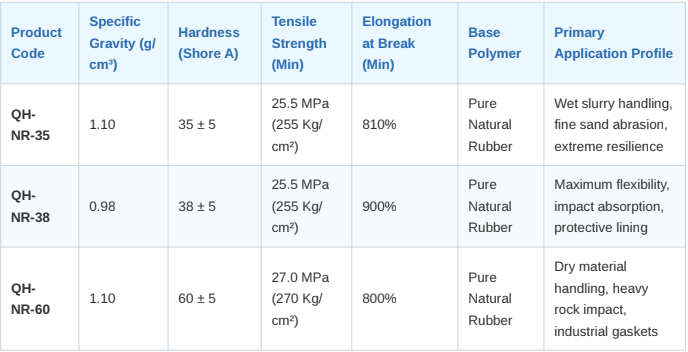
| Listed natural rubber technical reference | |||||
| Code | Specific gravity (g/cm3) | Hardness (Shore A, +/-5) | Tensile strength (kg/cm2, min) | Elongation (% , min) | Polymer |
| 1 | 1.1 | 35 +/- 5 | 255 | 810 | Natural Rubber |
| 2 | 0.98 | 38 +/- 5 | 255 | 900 | Natural Rubber |
| 3 | 1.1 | 60 + 5 | 270 | 800 | Natural Rubber |
This table is a product-page reference, not a substitute for an application review. Ask for the applicable technical document or test report when a project requires a defined grade, tolerance or acceptance method.
Tell the supplier whether the surface is exposed mainly to sliding abrasion, direct impact, repeated flexing, compression, cutting or a combination of conditions. A chute loading point may need a different panel plan from a long sliding wall or a pipe bend.
Identify the material handled, particle size, moisture, slurry concentration, flow direction, temperature and any oils, reagents or cleaning chemicals. These details are important when confirming compound compatibility and the expected installation environment.
Thickness should be selected with the wear zone, equipment opening, bend radius and replacement plan in mind. A thicker sheet may not be suitable if it changes the material path, reduces clearance or creates difficult panel joints.
Smooth, fabric-finish or buffed surfaces may be considered according to whether the liner is bonded, bolted, clamped or mechanically retained. Confirm the substrate, adhesive or fastener details before fabrication.
Provide panel numbers, flow direction, hole positions, corner details and joint locations. A drawing-based layout helps keep joints away from concentrated impact and makes repeat replacement easier to organize.
Natural rubber sheet is often reviewed for wet or dry transfer areas where the chute wall is exposed to sliding mineral material or impact at the loading zone. Share the chute drawing, material trajectory, drop height and wear photographs for a practical review.
Hoppers can contain both high-impact inlet areas and sliding discharge areas. Liner thickness, panel size, edge protection and fixing details should be separated by wear zone instead of using one generic dimension for the entire vessel.
Pipe bends, tanks, cyclones and related wet-process components may require protection at specific contact areas. Internal diameter, bend radius, flange details, pressure, temperature and chemical exposure should be included in the RFQ.
Grinding and slurry equipment require application-specific panel geometry, thickness and fixing details. For equipment liners, send the original drawing, liner schedule, part numbers or worn samples together with the material handled and operating duty.
| Finish or method | What to confirm before quotation |
| Both-side smooth | Substrate preparation, adhesive system, panel support and joint protection |
| One-side smooth | Which side contacts the material and which side is prepared for fixing |
| Fabric finish | Bonding process, adhesive compatibility, fabric direction and curing conditions |
| Buffed or bonding-related finish | Required preparation standard and whether additional site preparation is needed |
| Bolted or mechanically retained panel | Hole positions, fastener protection, edge details and access for maintenance |
Installation conditions can affect the result as much as the sheet specification. Remove loose scale, oil, moisture and sharp projections from the substrate, and follow the approved procedure for the selected adhesive, fastener or retention system.
For replacement and OEM work, Qihang Rubber can review marked-up drawings, CAD files, liner schedules, measured templates, photos with a scale or physical samples. Provide a clear part number and installation orientation for every panel.
Do not use worn edges as the only source for replacement dimensions. Check the original equipment drawing or confirm the measured template with the installer before fabrication.
Record the location and type of wear during planned shutdowns. Useful inspection notes include remaining thickness, joint condition, fastener condition, edge lifting, cuts, grooves, impact marks and material build-up.
A repeat order becomes more accurate when the buyer can provide the previous part number, actual installed dimensions and observed wear pattern instead of only the original purchase description.
Send the following information when requesting a quotation for mining or industrial wear-resistant rubber sheet:
For a fast technical review, mark the impact point, flow direction, joint locations and the dimensions that must remain fixed. This helps separate standard sheet supply from cut-to-drawing fabrication.
For a complete equipment-lining solution, review the Mining Rubber Lining product page. For chute-specific selection, read the Rubber Chute Liners for Mining selection guide.
For material, thickness, impact and quotation planning, see the wear-resistant rubber sheet for mining selection guide and the Mining Rubber Lining wear-resistant solution guide.
For equipment-specific thickness and Shore A planning, use the Mining Rubber Lining thickness and hardness selection guide.
The current product information lists 1 mm to 50 mm as the standard thickness range. Confirm the final thickness against the wear zone, equipment clearance, panel layout and production requirement.
Fabric-finish and other surface options can be reviewed according to the selected bonding or installation method. Tell us which side contacts the material and which side is prepared for fixing.
Cut-to-size panels and drawing-based fabrication can be reviewed. Send the drawing or measured template with panel quantity, hole positions, corner details and installation orientation.
Natural rubber sheet can be considered for many chute and slurry-lining applications, but suitability depends on the material handled, impact, abrasion, temperature, chemistry and fixing method. Confirm the application before production.
Send the material, equipment type, dimensions, thickness, hardness or compound requirement, surface finish, quantity, operating conditions and destination. Photos and worn samples are useful supporting information.
Send your dimensions, drawing, wear photographs or application description through the Qihang Rubber inquiry form. The more complete the operating and fabrication information, the more accurately the team can review the sheet, liner or cut-to-size panel requirement.
For mineral processing lining requirements, see the Rubber Lining for Mineral Processing Equipment Selection Guide when reviewing equipment geometry and service conditions.
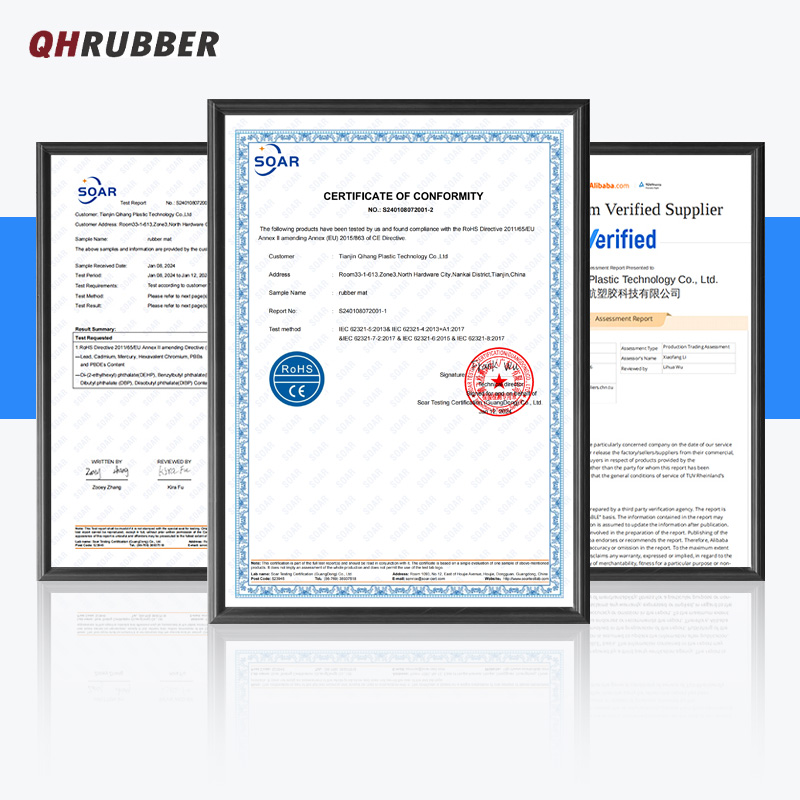
Tianjin Qihang Plastic Technology Co., Ltd
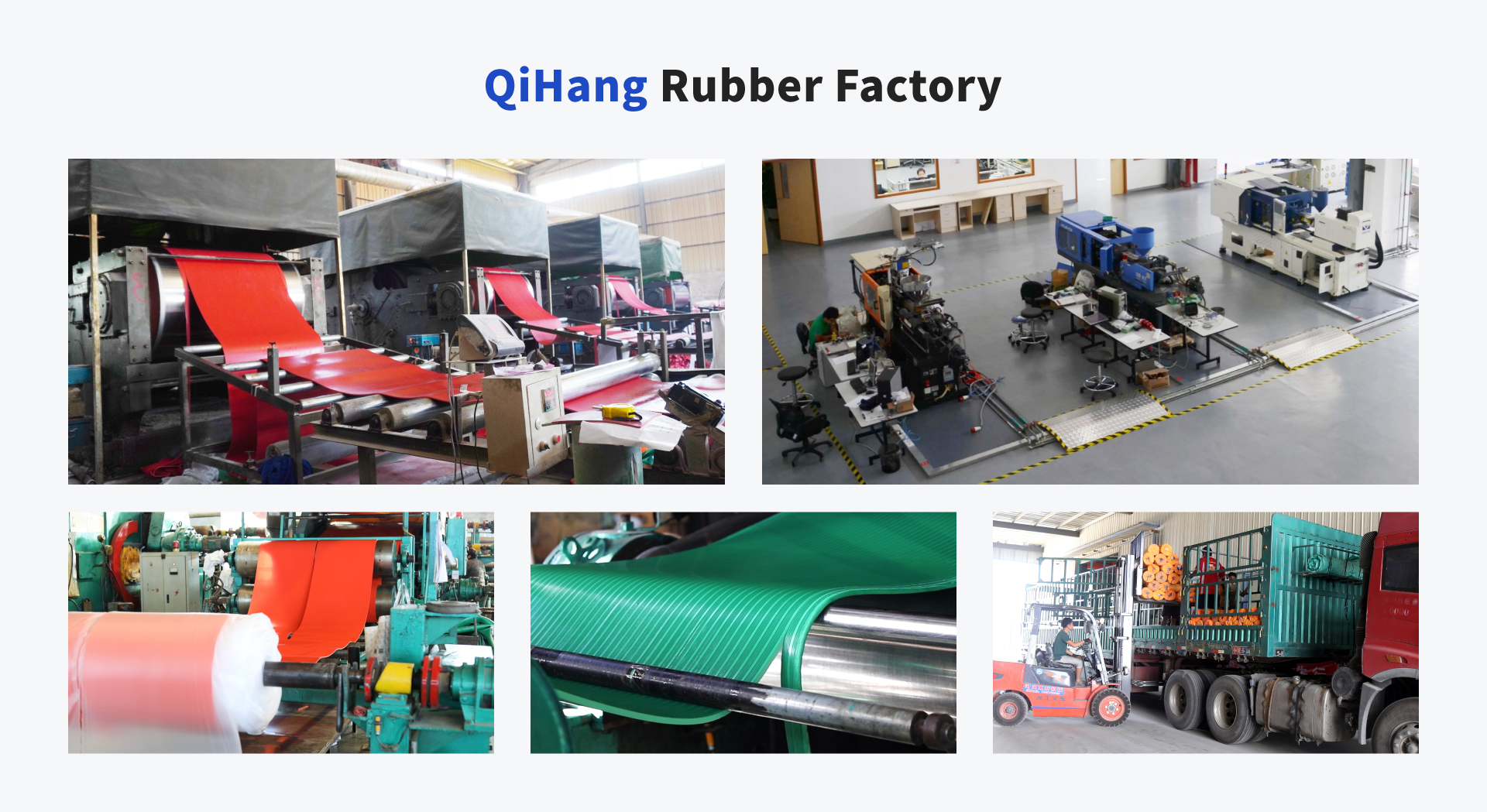
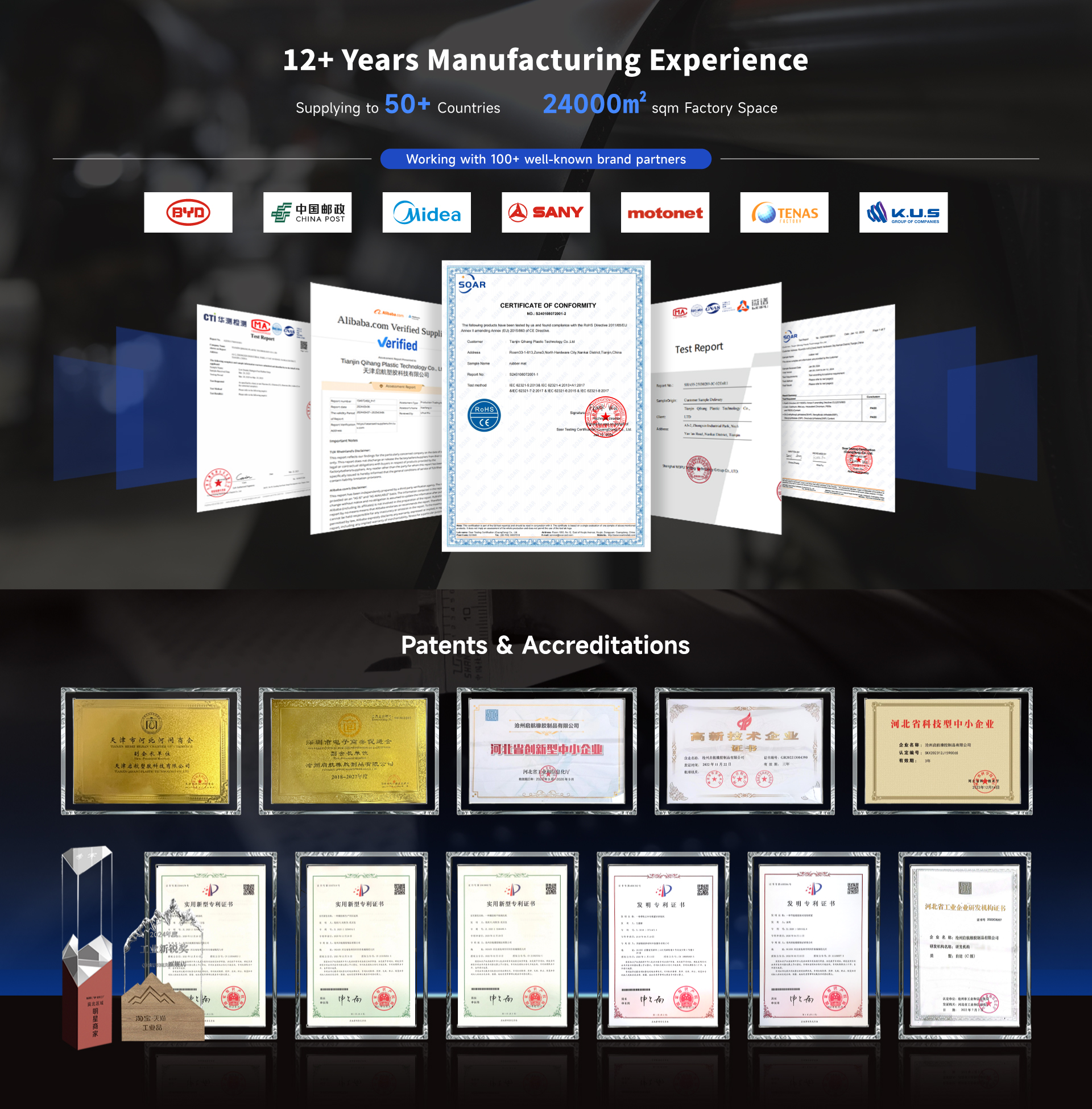
12+ Years Expertise in Industrial Rubber Sheet Manufacturing • Global Export Leader • REACH/RoHS Certified
...[ Read More >>]