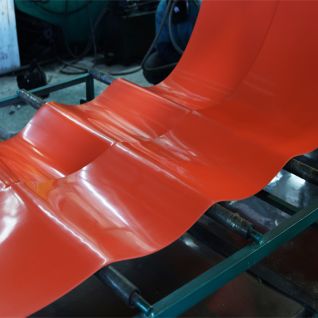
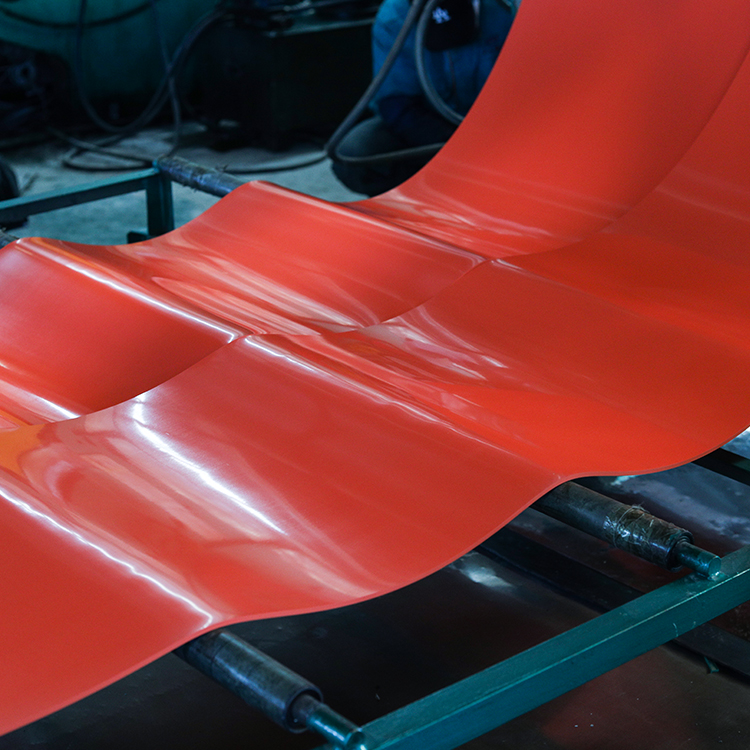
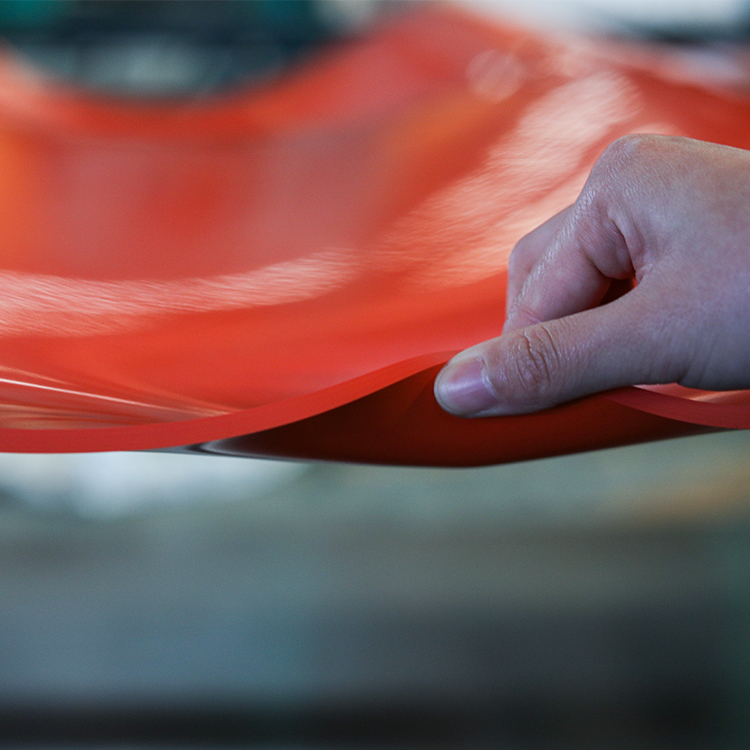
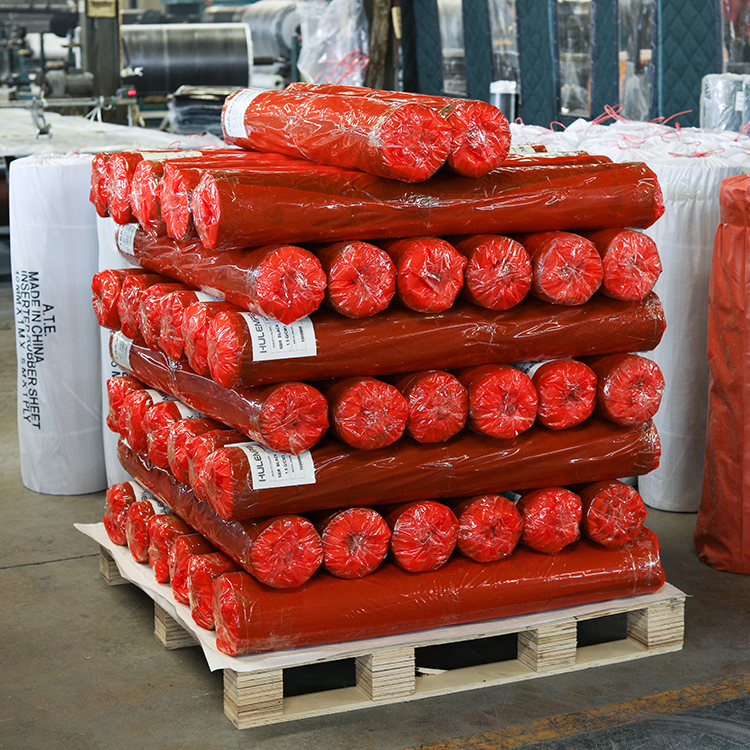
Natural rubber mining lining sheets for abrasive ore, slurry and impact service. Available in 3-50 mm thickness, up to 2 m width and customized lengths, with OEM sizing for ball mills, slurry pumps, chutes, tanks and pipes.
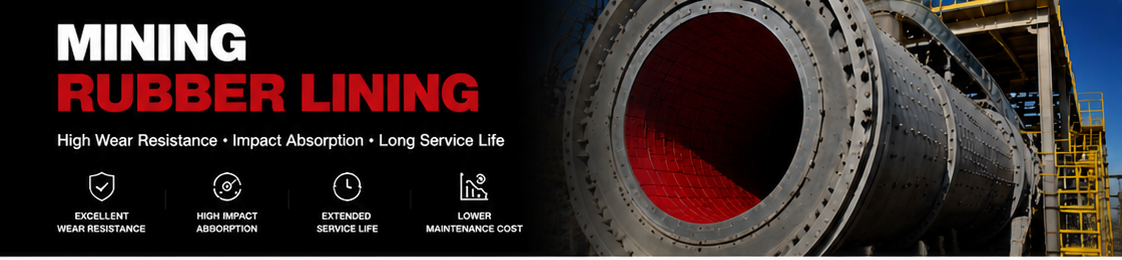
Mining Rubber Lining is a natural rubber lining sheet developed for mineral processing and material handling equipment exposed to abrasive ore, slurry, impact and repeated service. Qihang Rubber supplies cut-to-size rubber liners for ball mills, slurry pumps, chutes, hoppers, pipes, tanks and related mining equipment.
The lining is selected to create a resilient wear barrier between the equipment surface and the process material. It can help reduce direct metal-to-material contact, limit abrasion and impact damage, and make routine inspection and replacement work more manageable. Final material and dimensions should be confirmed against the equipment drawing, operating duty and installation method.
For slurry pipe, elbow and pipe-spool requirements, see the Slurry Pipe Rubber Lining Specification Guide before sending drawings and operating data.
For slurry pump components and replacement lining requirements, review the Slurry Pump Rubber Lining Selection Guide before sending drawings and operating data.
Mining circuits handle hard ore particles, water, slurry and falling material. A suitable rubber liner provides a flexible protective layer that can absorb impact and separate the steel substrate from abrasive flow. Compared with an unprotected metal surface, a properly specified rubber lining can support a more controlled wear-management program and help reduce unplanned maintenance caused by localized damage.
The following values are the current standard information for this product page. For a quotation, Qihang Rubber can confirm the final compound, dimensions, tolerance and installation details against your application.
| Item | Available specification |
|---|---|
| Material | Natural Rubber (NR) / NR Blend |
| Typical hardness | 38 +/- 5 Shore A |
| Tensile strength | >=18 MPa |
| Elongation at break | >=600% |
| Thickness | 3 mm to 50 mm |
| Width | Up to 2 m |
| Length | Customized |
| Color | Red / Black / Customized |
| Surface | Smooth / Fabric Finish / Customized |
| Specific gravity | 0.95 to 1.05 g/cm3 |
| Working temperature | -40 deg C to +80 deg C |
| Tear and abrasion performance | High tear resistance and abrasion-resistant compound options |
Specification values should be treated as a starting point for product selection. Slurry concentration, particle size, temperature, impact height, flow velocity, chemical exposure and attachment method can all affect the required liner design.
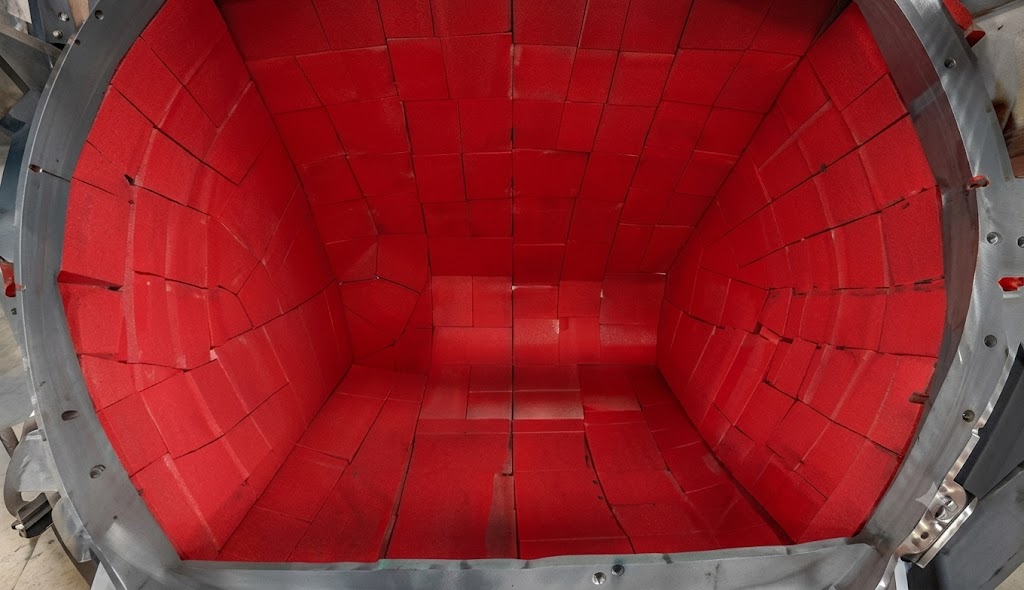
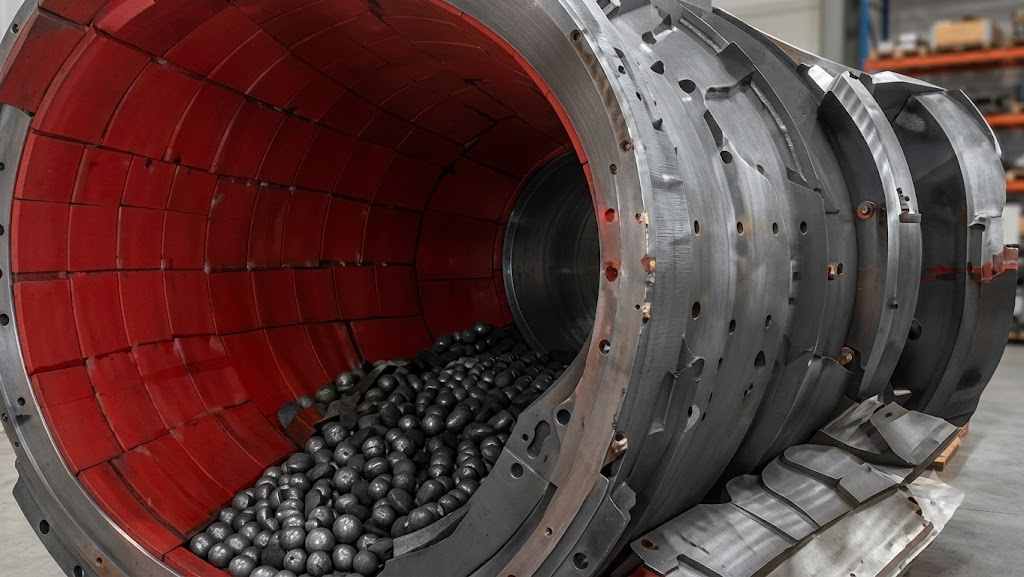
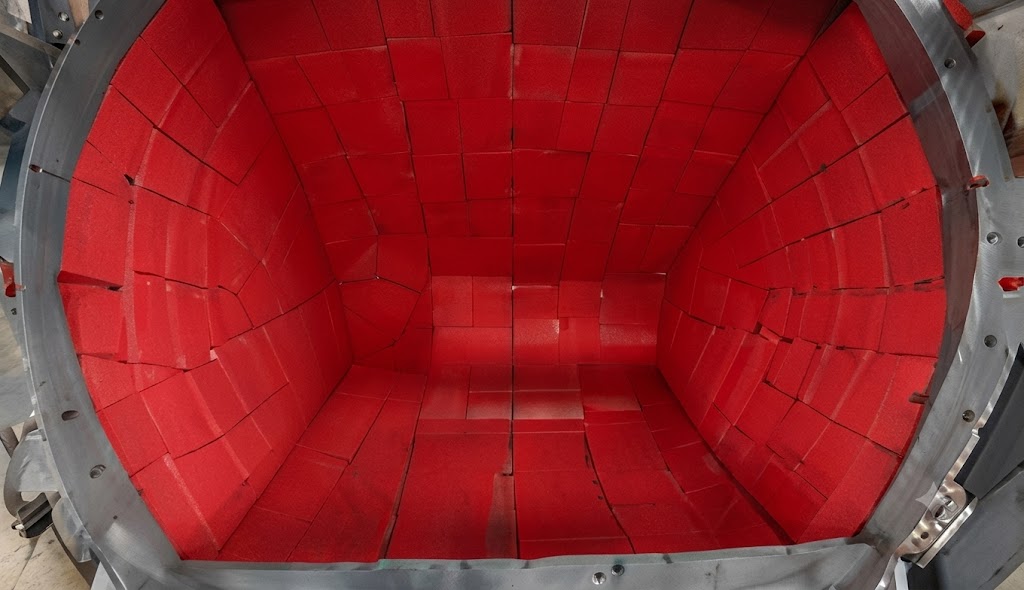
Rubber liners can protect the internal working surface of grinding equipment from repeated contact with ore and grinding media. Panel dimensions, thickness, fastening details and lifter geometry should be checked from the mill drawing before production.
Slurry pumps transport abrasive mixtures continuously. Rubber lining components can be specified for wetted areas such as the casing, cover plate or other replaceable wear parts, subject to pump model, slurry duty and the original part drawing.
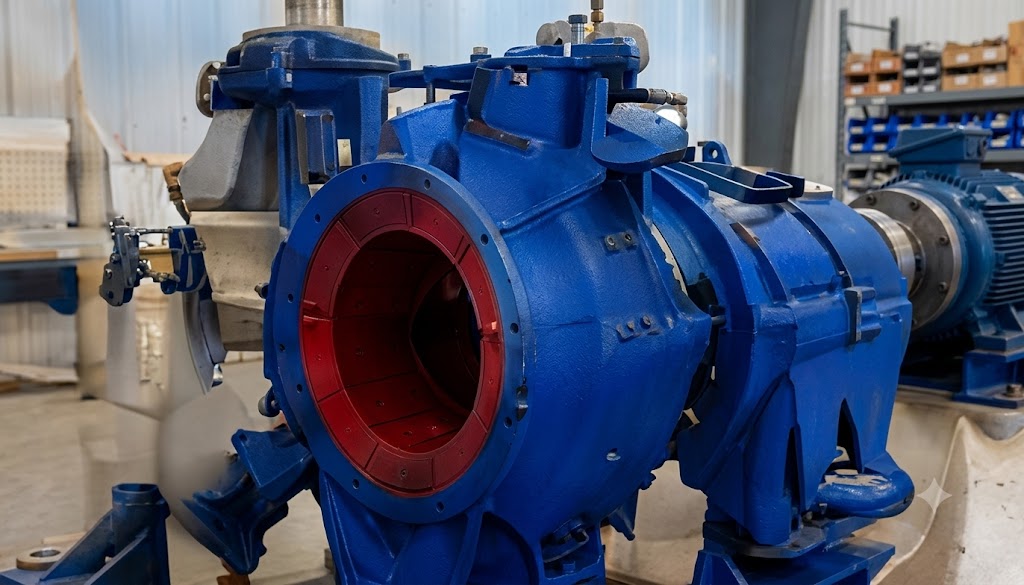
Transfer chutes and hoppers experience impact from falling material as well as sliding abrasion. Liner layout should consider the loading point, material trajectory, impact zone, bolt or adhesive arrangement and access for inspection.
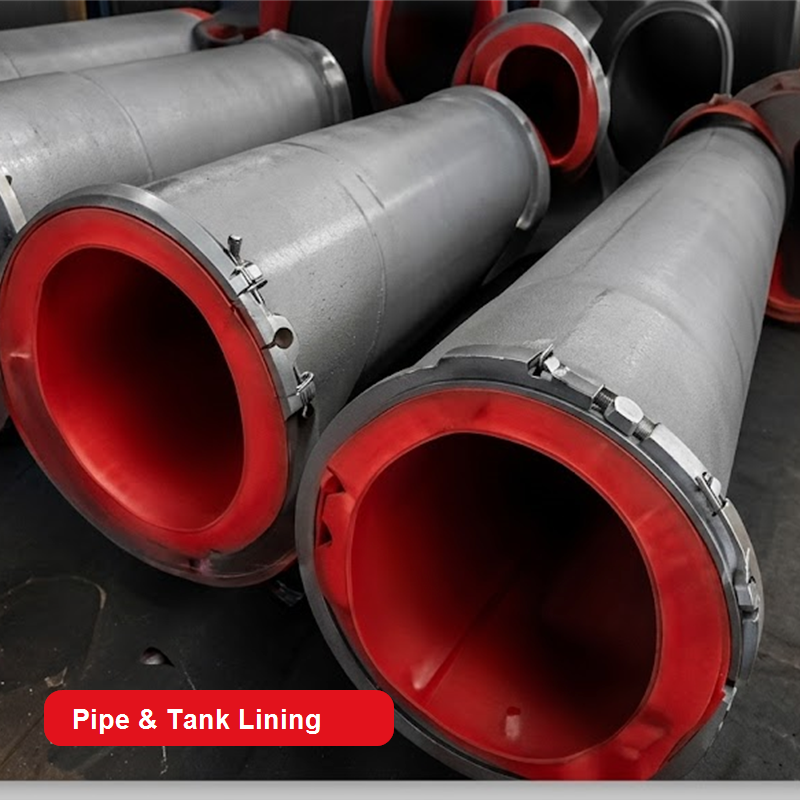
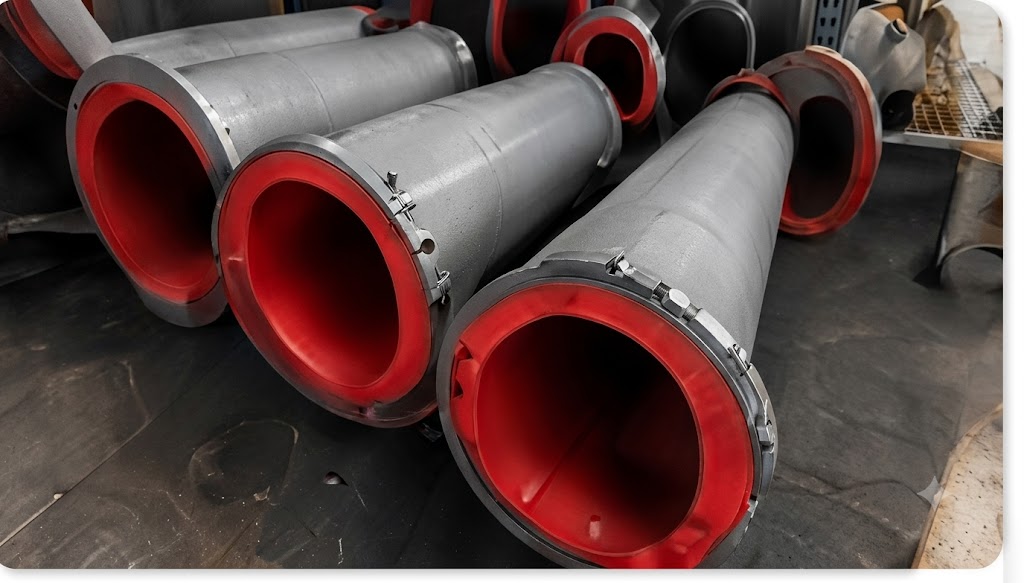
Rubber lining is also used in selected pipes, tanks, hydrocyclone-related equipment and other wet-process components exposed to mineral slurry. The final selection should account for internal diameter, bend radius, flange details, pressure, temperature and the chemicals present in the process.
For background on wear mechanisms and application planning, read the mining rubber lining wear-resistant solution guide and the rubber chute liner selection guide.
Share the material handled, slurry or solids content, particle size, approximate temperature, impact conditions and whether the wear is mainly sliding abrasion, direct impact or a combination of both. These details help determine whether the standard natural rubber lining is suitable and where design attention is needed.
Thickness is available from 3 mm to 50 mm, but the correct value depends on the wear zone, available clearance, equipment geometry and expected maintenance interval. Send a drawing, old liner sample, marked-up dimensions or a complete liner schedule whenever possible.
Smooth and fabric-finish surfaces may be selected according to the bonding or fixing process. Confirm whether the liner will be bonded, bolted, mechanically retained or supplied as a molded component. The backing surface must be clean, dry and properly prepared for the selected installation system.
A single equipment item may contain several wear conditions. A practical liner plan can use thicker or more impact-focused protection at loading points and a suitable abrasion-focused lining in sliding-flow areas. Qihang Rubber can review a zone drawing before final quotation.
Qihang Rubber supports custom lengths, widths up to 2 m, custom colors, surface finishes and cut-to-drawing liner layouts. For OEM or replacement work, we can work from equipment drawings, CAD files, liner schedules, photos with dimensions or physical samples. Please identify each part with its equipment name, position, quantity and installation orientation.
For a broader material comparison, see our wear-resistant natural rubber sheet page. Product selection remains application-specific and should be confirmed before production.
To prepare a useful quotation, please send as many of the following details as available:
The standard product is made from natural rubber (NR) or an NR blend. The final compound should be confirmed against the abrasion, impact, temperature and process conditions of the equipment.
Standard thickness is available from 3 mm to 50 mm. The recommended thickness depends on wear severity, clearance, geometry and the planned maintenance approach.
Yes. Lengths can be customized, and Qihang Rubber can review marked-up drawings, liner schedules or samples for cut-to-size supply.
It is designed for common mining and mineral processing applications including ball mill, slurry pump, chute, hopper, pipe and tank protection. Technical confirmation is required for each equipment model and operating duty.
Send the equipment model, drawings or dimensions, required quantity, material handled, operating conditions and delivery destination. Photos with clear measurements are useful when drawings are not available.
For practical guidance on material selection, thickness, impact conditions and quotation details, see our wear-resistant rubber sheet for mining selection guide.
For project-specific thickness and hardness decisions, read the Mining Rubber Lining thickness and hardness selection guide.
Send your drawings, dimensions or application details to receive a product recommendation and quotation for mining rubber lining. Our team can help review the wear zones, confirm the available specification and organize a cut-to-size supply plan.
Send your mining rubber lining inquiry
For mineral processing equipment selection, review the Rubber Lining for Mineral Processing Equipment Selection Guide before sending drawings and operating data.
Tianjin Qihang Plastic Technology Co., Ltd
12+ Years Expertise in Industrial Rubber Sheet Manufacturing • Global Export Leader • REACH/RoHS Certified
...[ Read More >>]