Rubber insulation mats play a critical role in electrical safety by protecting personnel from electric shock in high-risk environments. Designed to provide reliable insulation against electrical currents, these mats are widely used across industrial, commercial, and utility sectors.
Understanding the applications of rubber insulation mats helps buyers, engineers, and safety managers select the right solution for specific working conditions and compliance requirements.
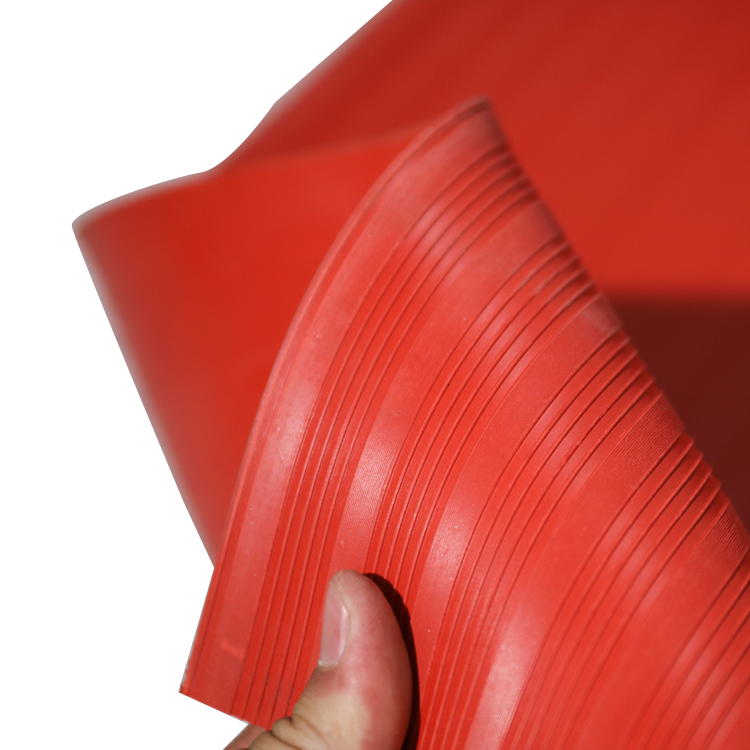
Electrical insulation rubber mats are commonly used in industrial environments to improve safety when working near live electrical equipment. These areas often contain exposed switchgear, transformers, and high-voltage panels where accidental contact can be dangerous.
Rubber insulation mats are installed:
In front of switchboards and control panels
Along maintenance walkways
Near transformers and circuit breakers
Their primary function is to reduce the risk of electric shock by insulating workers from grounded surfaces during operation and maintenance tasks.
Anchor text: rubber insulation mat
Control rooms house sensitive electrical equipment and are frequently accessed by technicians. For safety in control panels, many factories install insulation rubber mats for electrical panels to reduce electric shock risks.Rubber insulation mats are placed in front of:
Low-voltage and medium-voltage panels
Motor control centers (MCCs)
Distribution boards
In these environments, insulation mats help ensure safe standing conditions, especially during troubleshooting or routine inspections.
Because control rooms often operate continuously, insulation mats must offer:
Consistent dielectric performance
Long-term durability
Easy maintenance and cleaning
Electrical Rubber Mats for Panels and Switch Rooms
Electrical rubber mats are widely used in electrical panels, switch rooms, and substations to provide essential insulation protection for operators. Installed in front of live equipment, these insulating mats help reduce the risk of electric shock by preventing current from passing through the body to the ground. High-quality electrical rubber mats are typically manufactured in compliance with IEC and ASTM standards and are available in different voltage classes to suit low, medium, and high-voltage environments. Selecting the correct thickness and dielectric rating is critical for ensuring electrical safety in industrial applications.
In manufacturing plants, electrical hazards are not limited to dedicated electrical rooms. Machinery, automation systems, and power supplies are often distributed across the production floor.
Rubber insulation mats are commonly used:
Near CNC machines and production lines
Around welding equipment and power tools
At electrical maintenance stations
Their flexibility allows them to be cut and installed in customized sizes, making them suitable for complex industrial layouts.
To better understand compliance requirements, you can read our guide on rubber insulation mat standards and certifications.
Utility companies and maintenance teams frequently rely on rubber insulation mats during temporary electrical work. Mats can be quickly deployed at job sites to create a safer working surface.
Typical scenarios include:
On-site electrical repairs
Temporary substations
Outdoor maintenance under controlled conditions
For these applications, selecting mats with appropriate voltage ratings is essential.
Anchor text: rubber insulation mat voltage ratings
Commercial buildings such as data centers, hospitals, and large office complexes also utilize rubber insulation mats to enhance electrical safety.
Common locations include:
Server rooms
Backup generator areas
Electrical closets and service corridors
In these settings, electrical insulation rubber mat contribute to both personnel safety and regulatory compliance, helping facility managers meet electrical safety standards.
Different applications require different specifications. Factors to consider include:
Operating voltage
Environmental conditions (indoor or outdoor)
Foot traffic and mechanical wear
Applicable safety standards
Choosing the correct insulation mat ensures reliable performance and long-term protection.
Anchor text: how to choose a rubber insulation mat
Rubber insulation mats are essential safety components in a wide range of electrical applications, from substations and factories to commercial buildings and maintenance sites. By understanding where and how these mats are used, buyers can make informed decisions that enhance workplace safety and operational reliability.
Selecting the right rubber insulation mat for each application not only reduces electrical risks but also supports compliance with industry safety standards.
Tianjin Qihang Plastic Technology Co., Ltd
12+ Years Expertise in Industrial Rubber Sheet Manufacturing • Global Export Leader • REACH/RoHS Certified
...[ Read More >>]


