Rubber insulation mats are essential safety products designed to protect personnel working in electrical environments. However, performance alone is not enough—compliance with recognized standards and certifications is critical to ensure reliability, safety, and regulatory acceptance.
Understanding the standards and certifications for rubber insulation mats helps buyers, engineers, and safety managers verify product quality and select suitable solutions for their specific applications.
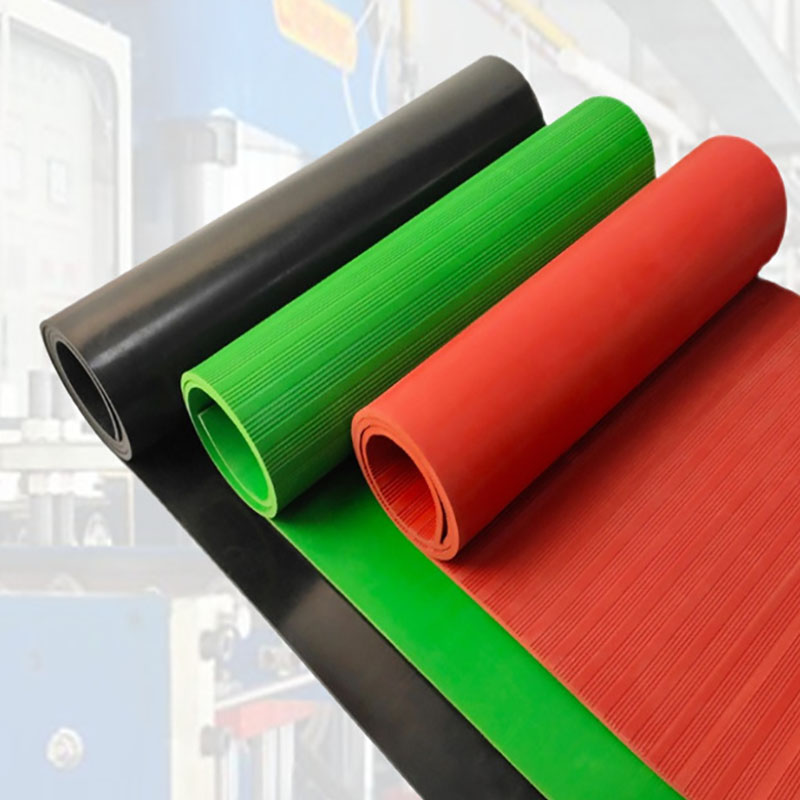
Electrical insulation mats are often used in high-risk environments such as substations, control rooms, and industrial facilities. In these settings, failure to meet safety requirements can result in serious injury or equipment damage.
Standards ensure that rubber insulation mats:
Provide consistent dielectric performance
Meet defined voltage withstand levels
Are tested under controlled conditions
Offer predictable safety margins
Compliance with recognized standards also helps organizations meet local safety regulations and internal audit requirements.
Different regions adopt different standards, but most are aligned around similar performance principles.
The IEC (International Electrotechnical Commission) is one of the most widely referenced bodies for electrical safety products. IEC standards typically define:
Voltage classes
Test methods
Marking and labeling requirements
IEC-compliant rubber insulation mats are commonly accepted in international projects and utility applications.
In North America, ASTM standards are frequently used. These standards focus on:
Electrical insulating properties
Material performance
Quality control testing
ASTM compliance is often required for industrial and commercial projects in the U.S. and Canada.
European markets typically reference EN standards, which align closely with IEC requirements while incorporating EU regulatory frameworks.
Standards for rubber insulation mats define voltage ratings to indicate the maximum safe working voltage. These ratings help users select mats suitable for low, medium, or high-voltage environments.
Proper classification ensures:
Adequate insulation protection
Reduced risk of electric shock
Compliance with workplace safety policies
rubber insulation mat voltage ratings
Before certification, rubber insulation mats undergo a series of tests, which may include:
Dielectric strength testing
Electrical resistance measurement
Mechanical durability checks
Visual inspection and dimensional verification
Certified products are typically marked with:
Standard reference numbers
Voltage class information
Manufacturer identification
These markings allow buyers to verify compliance during procurement and inspections.
Different markets may prioritize different certifications:
Europe: Emphasis on EN / IEC conformity
North America: ASTM and local electrical codes
Industrial Projects: Often require third-party test reports
Buyers should always confirm which standards are required for their specific region and application.
applications of rubber insulation mats
When sourcing rubber insulation mats, buyers should:
Request test reports or certification documents
Confirm voltage class and standard references
Check labeling and product markings
Ensure consistency with application requirements
Selecting certified products helps reduce compliance risks and improves overall workplace safety.
how to choose a rubber insulation mat
Standards and certifications play a vital role in ensuring the safety and reliability of rubber insulation mats. By understanding international requirements, voltage classifications, and testing processes, buyers can make informed decisions that enhance electrical safety and regulatory compliance.
Choosing certified rubber insulation mats is not only a best practice—it is a fundamental requirement for responsible electrical safety management.
Tianjin Qihang Plastic Technology Co., Ltd
12+ Years Expertise in Industrial Rubber Sheet Manufacturing • Global Export Leader • REACH/RoHS Certified
...[ Read More >>]


