When working in electrical environments, selecting the correct rubber insulation mat voltage rating is not just a technical detail—it is a critical safety decision.
Different electrical systems operate at different voltage levels, and using an insulation mat with an insufficient voltage rating can significantly increase the risk of electric shock and workplace accidents. Unfortunately, many buyers focus only on thickness or price, without fully understanding how voltage ratings affect real-world safety performance.
In this article, we provide a clear and practical explanation of rubber insulation mat voltage ratings from 5kV to 35kV, helping engineers, safety managers, and procurement teams choose the right solution for their specific applications.
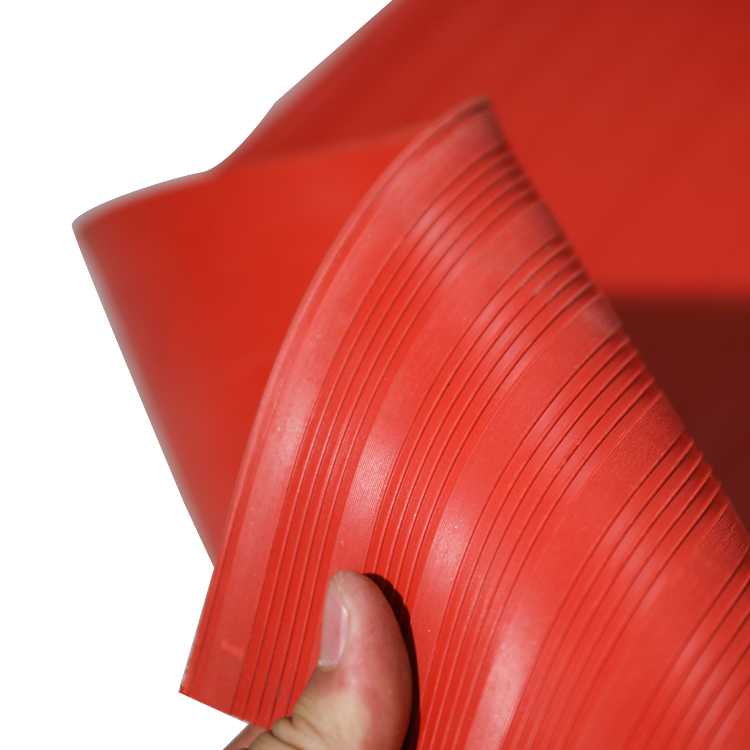
The voltage rating of a rubber insulation mat indicates the maximum electrical voltage the mat can safely withstand without electrical breakdown.
In simple terms, it defines how effectively the mat can isolate electrical current and prevent it from passing through the human body to the ground. A higher voltage rating means greater dielectric strength and a higher safety margin.
Electrical accidents often occur when safety margins are underestimated. Choosing the correct voltage rating is essential for several reasons:
It reduces the risk of electric shock during normal operation
It provides protection during unexpected voltage surges
It improves compliance with electrical safety regulations
It ensures long-term performance in demanding environments
For this reason, safety standards and professional guidelines always recommend selecting an insulation mat with a voltage rating higher than the actual operating voltage.
Different voltage ratings are designed for different electrical environments. Below is a practical breakdown of the most commonly used ranges.
Electrical rubber insulation mats rated from 5kV to 10kV are typically used in low-voltage electrical environments.
Common applications include:
Electrical control rooms
Low-voltage switchboards
Indoor electrical maintenance areas
Commercial electrical panels
These mats are usually thinner and easier to handle, making them suitable for environments with limited electrical exposure and controlled conditions.
The 15kV to 20kV range is widely used in medium-voltage electrical systems, offering a balance between flexibility and high dielectric protection.
Typical applications include:
Medium-voltage switchgear rooms
Industrial power distribution areas
Electrical equipment maintenance zones
Utility and infrastructure projects
This voltage range is one of the most popular choices for industrial buyers due to its versatility and enhanced safety margin.
Rubber insulation mats rated 25kV to 35kV are designed for high-voltage and high-risk environments where maximum protection is required.
Common applications include:
Electrical substations
Transformer rooms
Power plants
Heavy-duty industrial electrical facilities
Tianjin Qihang Plastic Technology Co., Ltd
12+ Years Expertise in Industrial Rubber Sheet Manufacturing • Global Export Leader • REACH/RoHS Certified
...[ Read More >>]


