Electrical safety is a critical concern in environments where high-voltage equipment is present. Choosing the right rubber insulation mat plays an essential role in protecting workers from electric shock and ensuring compliance with safety standards.
In this guide, we explain how to choose the correct rubber insulation mats for electrical rooms, substations, and industrial facilities, helping you make a safe and cost-effective decision.
A rubber insulation mat is a protective flooring material designed to electrically isolate personnel from live electrical equipment. It is commonly installed in front of switchboards, transformers, and control panels to reduce the risk of electric shock.
High-quality rubber insulation mats are manufactured from specially formulated rubber compounds that provide high dielectric strength, mechanical durability, and long service life.
For industrial and electrical applications, rubber insulation mats are an essential safety solution.
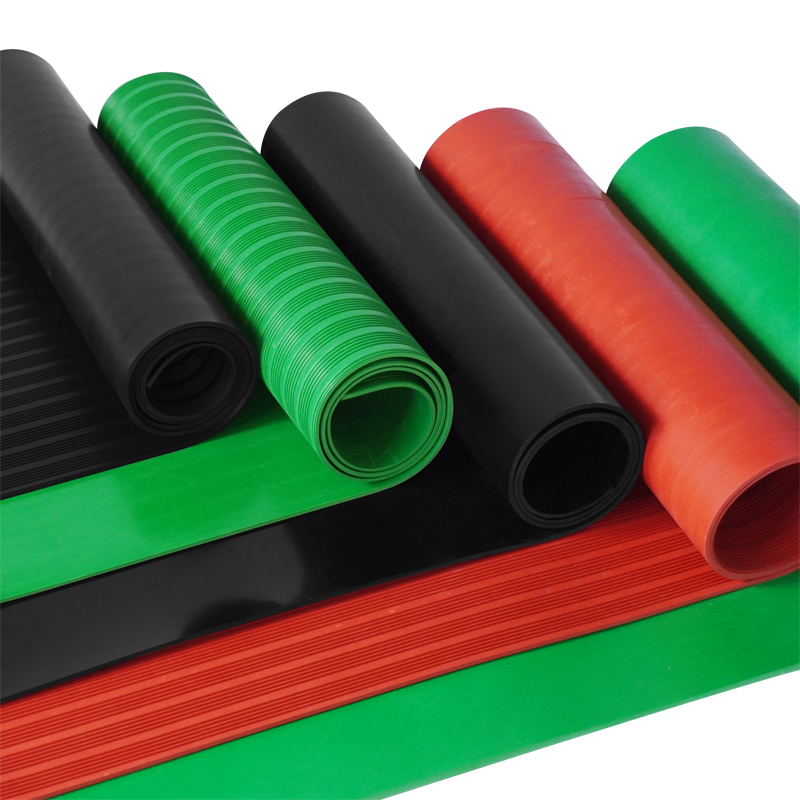
Rubber insulation mats are widely used in:
Electrical substations
Power distribution rooms
Switchgear and control panel areas
Transformer rooms
Industrial electrical maintenance zones
In these environments, insulation mats act as a critical safety barrier between workers and energized equipment.
The most important factor when selecting a rubber insulation mat is the voltage class.
Different electrical environments require different insulation levels.
Common voltage ratings include:
Up to 1 kV
11 kV
15 kV
22 kV
33 kV
Always choose a rubber insulation mat with a voltage rating equal to or higher than the operating voltage of your equipment.
Reliable rubber insulation mats should comply with recognized safety standards, such as:
IEC 61111
ASTM D178
IS 15652
Compliance ensures the mat has been tested for dielectric strength, aging resistance, and mechanical performance.
Rubber insulation mats are available in various thicknesses, typically ranging from 3mm to 12mm.
Thicker mats generally provide higher insulation performance and durability.
Standard roll sizes are available, but custom sizes are often required for specific electrical rooms or layouts.
In electrical working areas, safety is not limited to insulation alone.
A non-slip or ribbed surface helps reduce the risk of slipping, especially in industrial environments where oil or moisture may be present.
High-quality rubber insulation mats should offer:
Good abrasion resistance
Resistance to oil and moisture
Stable performance under temperature variations
Long-term aging resistance
These properties ensure consistent protection throughout the product’s service life.
Using certified, professionally manufactured rubber insulation mats ensures:
Improved electrical safety for workers
Compliance with safety regulations
Reduced maintenance and replacement costs
Reliable long-term performance
For electrical contractors, facility managers, and industrial buyers, investing in the right insulation mat is both a safety and operational decision.
At Qihang Rubber, we supply rubber insulation mats designed for demanding electrical safety applications. Our products are widely used in substations, power rooms, and industrial electrical facilities, offering reliable insulation performance and customization options.
Learn more about our Rubber Insulation Mat for Electrical Safety by visiting our product page and contacting our team for technical details and quotations.
Selecting the right rubber insulation mat is essential for electrical safety. By considering voltage rating, standards compliance, thickness, and durability, you can ensure effective protection in high-voltage environments.
For a quotation, provide the project specification, applicable electrical-safety standard and required class, mat dimensions and quantity, installation conditions, delivery destination, and required test documentation.
If the class has not been specified, ask the person responsible for electrical safety on site to confirm it; thickness alone does not establish electrical protection.
Request a rubber insulation mat quotation and send your requirements for confirmation before ordering.
Tianjin Qihang Plastic Technology Co., Ltd
12+ Years Expertise in Industrial Rubber Sheet Manufacturing • Global Export Leader • REACH/RoHS Certified
...[ Read More >>]


