Electrostatic discharge (ESD) is a hidden risk in many industrial and electronic environments. A single static discharge can damage sensitive components, disrupt production, and cause costly downtime.
That’s why choosing the right ESD mat is not just a safety decision — it’s a quality and cost-control decision.
In this guide, we’ll explain how to choose the correct ESD mat, key specifications to look for, and common mistakes buyers should avoid.
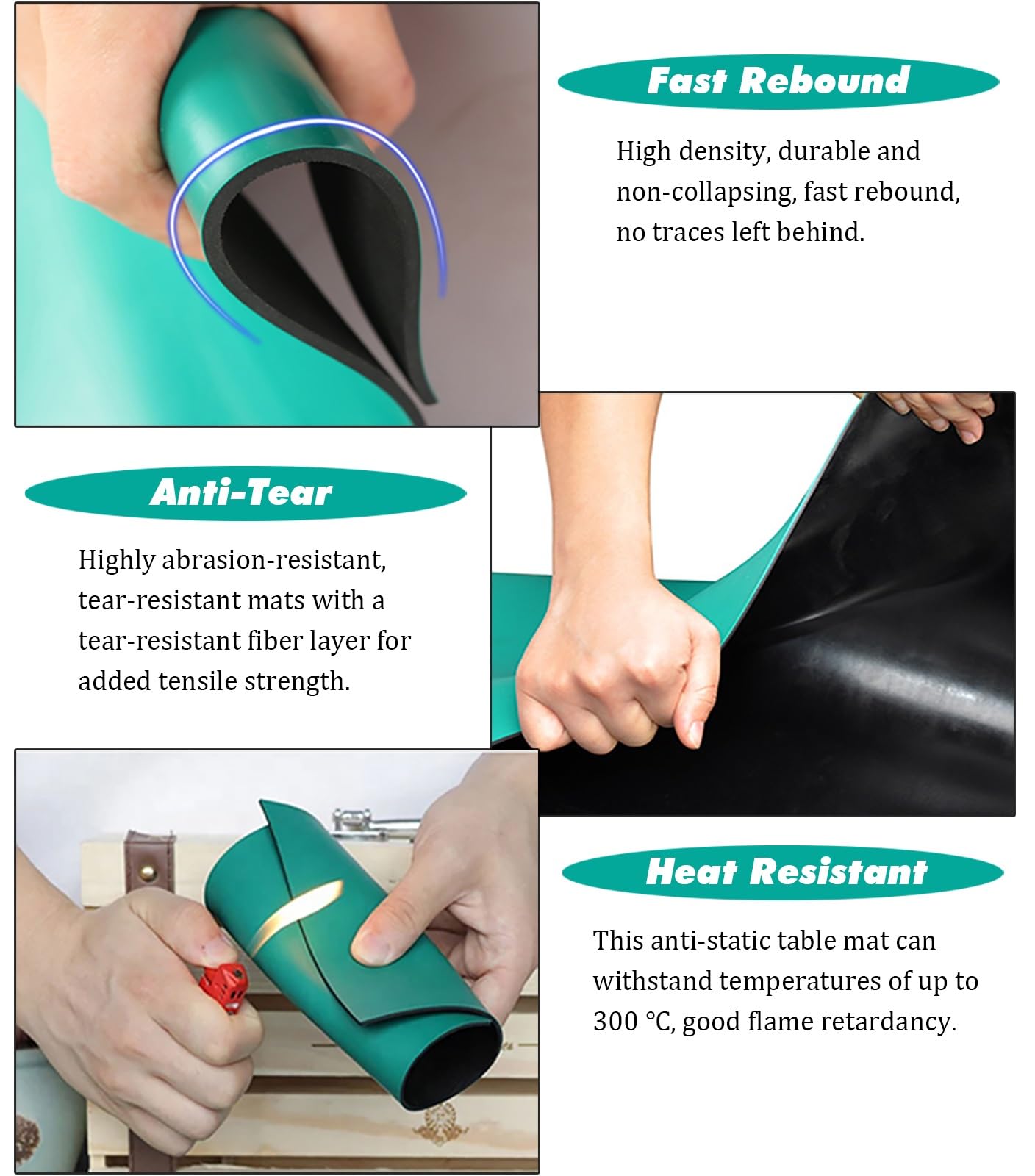
An ESD mat is a specially engineered rubber or vinyl mat designed to dissipate static electricity safely to ground, preventing sudden electrostatic discharge.
ESD mats are widely used in:
Electronics assembly lines
PCB manufacturing
Repair benches and laboratories
Server rooms and clean rooms
Industrial flooring in sensitive areas
ESD protection is especially critical in electronics manufacturing and assembly environments.
In fact, electrostatic discharge can damage sensitive electronic components without visible signs, resulting in hidden defects and reduced product reliability.
Damage electronic components
Reduce product yield
Shorten equipment lifespan
Increase warranty and rework costs
Surface resistance is the most important specification.
Typical ESD mat range: 10⁶ – 10⁹ ohms
Too low = risk of short circuit
Too high = poor static dissipation
Always confirm resistance values are tested and stable.
Single-layer ESD mats
Cost-effective
Suitable for light-duty workbenches
Dual-layer ESD mats
Static-dissipative top layer
Conductive bottom layer
Faster and safer grounding
Recommended for professional electronics environments
In electronics manufacturing and assembly environments, ESD control is essential for daily operations.
Workbenches, assembly lines, and testing areas require reliable ESD protection to prevent static buildup during handling and assembly.
Choose based on where and how the mat will be used:
Workbench / Tabletop → thinner, flexible mats
Flooring → thicker, anti-slip, heavy-duty mats
Clean room → low particle emission, easy cleaning
Industrial factory → oil-resistant and wear-resistant
Common thickness options:
2mm – light duty
3mm – standard industrial use
5mm+ – heavy-duty flooring
Thicker mats generally offer longer service life and better impact resistance.
• Choosing by price only
• Ignoring resistance test reports
• Using ordinary rubber mats instead of ESD-certified mats
• Not grounding the mat properly
A quality ESD mat only works when grounded correctly.
Anti-static mats reduce static generation
ESD mats actively dissipate static to ground
For electronics and precision manufacturing, ESD mats are the safer choice.
When sourcing ESD mats internationally, look for suppliers who:
Are direct manufacturers, not traders
Provide technical specifications and test data
Offer custom sizes, colors, and resistance ranges
Have export experience and stable quality control
A reliable supplier reduces long-term risk and total cost.
If you are looking for industrial-grade ESD rubber mats with stable resistance and long service life, you can view our product details here:
→ ESD Rubber Mat for Industrial Use
Our ESD mats are widely used in electronics factories, workshops, and laboratories worldwide.
Choosing the right ESD mat is not complicated — but it does require technical understanding and the right supplier.
By focusing on resistance range, structure, application, and durability, you can ensure effective ESD protection and long-term performance.
If you’re unsure which ESD mat suits your application, feel free to contact us for professional advice.
Tianjin Qihang Plastic Technology Co., Ltd
12+ Years Expertise in Industrial Rubber Sheet Manufacturing • Global Export Leader • REACH/RoHS Certified
...[ Read More >>]


