When selecting an ESD anti-static rubber mat, understanding technical specifications is critical.
Surface resistance, volume resistance, standards compliance, and grounding all directly affect ESD performance.
This guide explains the key technical factors buyers should know before choosing an ESD rubber mat for electronics manufacturing.
Surface resistance determines how quickly static electricity is dissipated.
Typical ranges include:
Anti-static range: 10⁶ – 10⁹ ohms
Static dissipative range: 10⁶ – 10⁸ ohms
Most ESD anti-static rubber mats are designed to maintain stable resistance over long-term use, even in dry or high-friction environments.
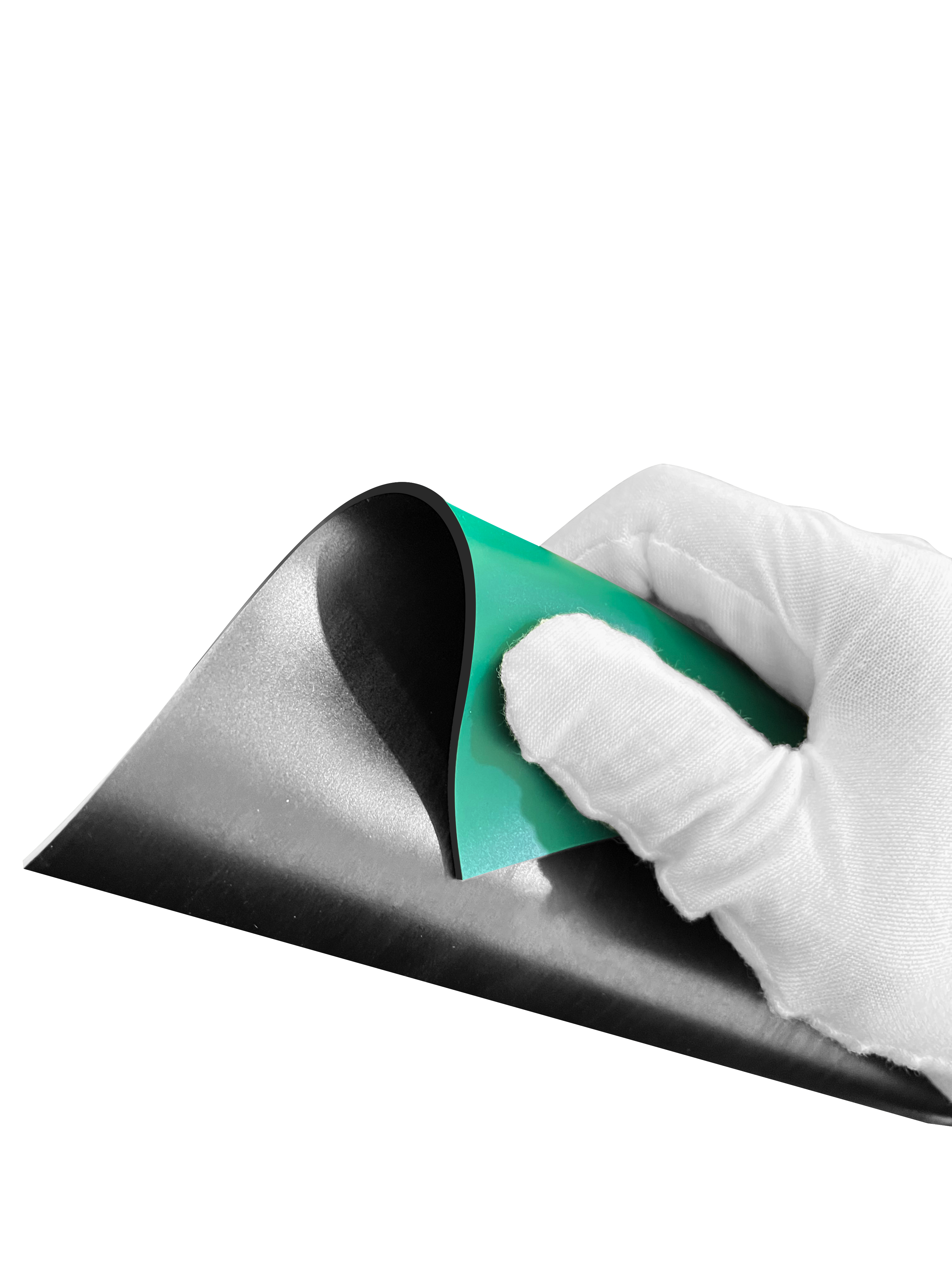
Many buyers confuse anti-static mats with conductive mats.
| Type | Resistance Range | Application |
|---|---|---|
| Anti-static | 10⁶–10⁹ Ω | Electronics assembly |
| Static dissipative | 10⁶–10⁸ Ω | Workbenches |
| Conductive | ≤10⁵ Ω | Special grounding use |
For most electronics workstations, anti-static or static dissipative rubber mats are recommended for controlled discharge.
Choosing the right ESD mat is critical for ensuring long-term performance and safety.
Professional ESD rubber mats are manufactured to comply with international standards such as:
IEC 61340
ANSI/ESD S20.20
RoHS compliance
Meeting these standards ensures consistent ESD performance and safety in electronics manufacturing environments.
An ESD mat alone cannot eliminate static electricity without proper grounding.
Correct grounding includes:
Grounding cords
Ground points connected to earth
Regular resistance testing
When properly grounded, an ESD anti-static rubber mat safely channels static charges away from sensitive components.
Beyond ESD performance, rubber mats must withstand:
Continuous foot traffic
Heavy equipment
Oils and cleaning chemicals
High-quality ESD rubber mats also feature anti-slip surfaces, improving operator safety while maintaining static control.
Manufacturers can customize ESD rubber mats based on:
Thickness
Size and cutting
Color
Surface texture
Resistance range
For detailed specifications and custom solutions, please visit our ESD anti-static rubber mat product page.
With proper use and grounding, industrial ESD rubber mats typically last several years without loss of performance.
Yes. Heavy-duty ESD rubber mats are suitable for both workbenches and industrial flooring.
Resistance can be tested using a surface resistance meter following IEC or ANSI standards.
Understanding resistance ranges, standards, and grounding requirements is essential when selecting an ESD anti-static rubber mat.
Choosing technically compliant, durable, and properly grounded mats helps ensure product safety, workplace efficiency, and long-term reliability.
Tianjin Qihang Plastic Technology Co., Ltd
12+ Years Expertise in Industrial Rubber Sheet Manufacturing • Global Export Leader • REACH/RoHS Certified
...[ Read More >>]


