Silicone rubber sheet is widely used in industrial sealing, food processing, insulation and high-temperature environments.
When selecting silicone rubber sheet, one of the most important factors is hardness.
Choosing the correct hardness affects:
In this guide, we explain how to choose the right silicone rubber sheet hardness for your application.
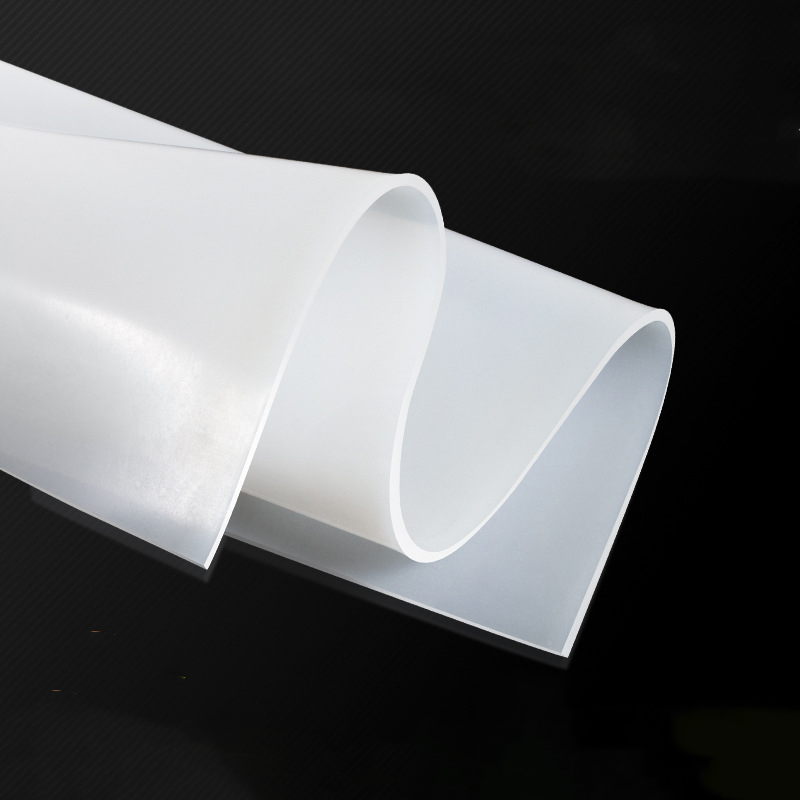
Hardness refers to the resistance of the silicone material to indentation or deformation.
It is commonly measured using the Shore A scale.
Lower Shore A values mean:
Higher Shore A values mean:
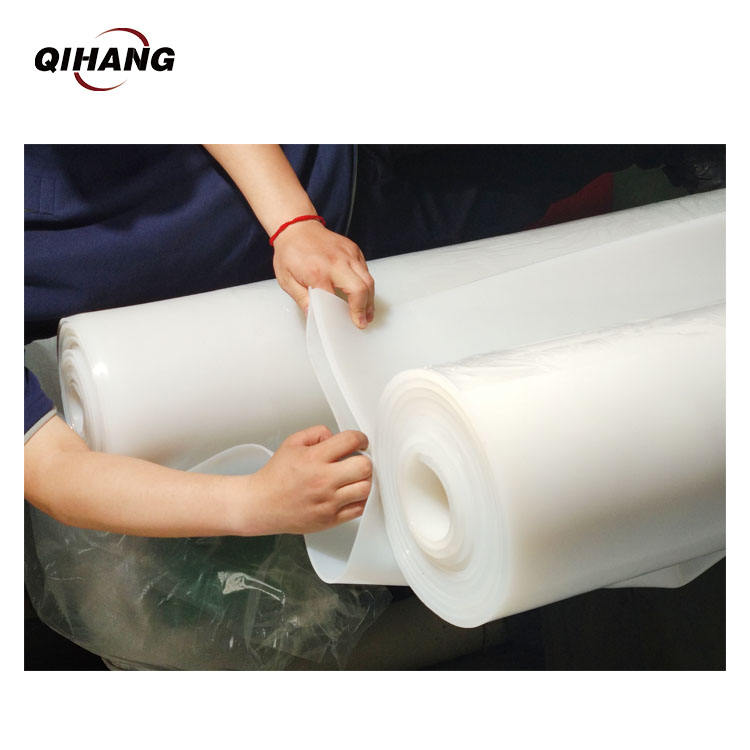
30A silicone rubber sheet is soft and highly flexible.
Advantages:
Common applications:
Explore our silicone rubber sheet available in multiple hardness options.
50A is the most commonly used hardness for industrial applications.
Benefits include:
Typical uses:
70A silicone sheet is harder and more durable.
Advantages:
Common applications:
The best hardness depends on your application environment.
Not sure which hardness is suitable for your application?
We can recommend the right silicone rubber sheet based on your working conditions.
Besides hardness, you should also consider:
Choosing the right combination improves product performance and service life.
Avoid these common mistakes:
Working with an experienced supplier helps avoid these problems.
A professional supplier can provide:
Check our silicone rubber sheet for industrial and food-grade applications.
Choosing the correct silicone rubber sheet hardness is essential for achieving the best sealing, durability and performance.
30A, 50A and 70A silicone sheets each provide different advantages depending on the application.
Understanding your working environment helps ensure the right material selection.
Looking for a reliable silicone rubber sheet supplier?
We provide high-quality silicone sheets with customizable hardness, thickness and size.
. Factory direct price
. Food-grade & industrial grade available
. Fast delivery
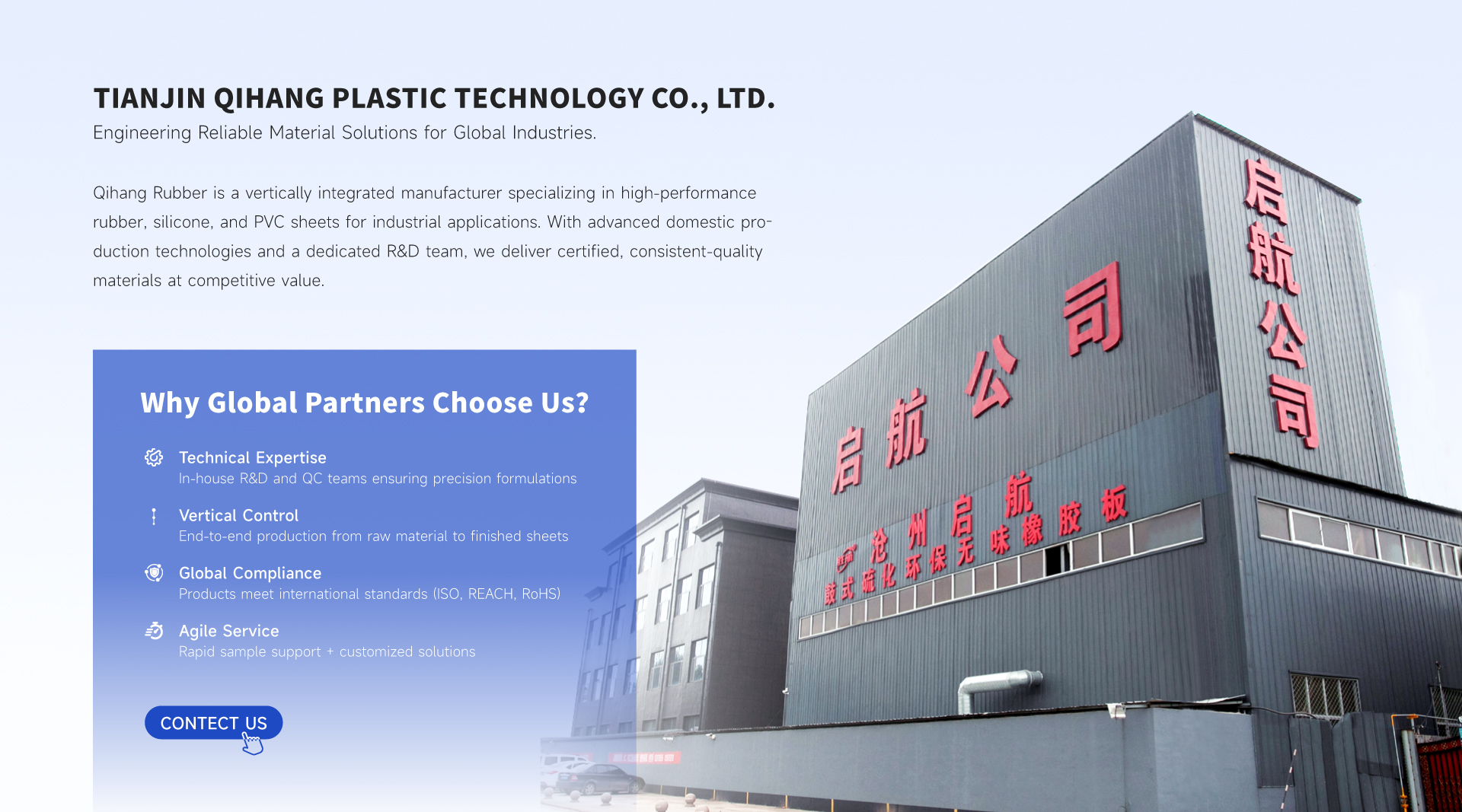
Tianjin Qihang Plastic Technology Co., Ltd
12+ Years Expertise in Industrial Rubber Sheet Manufacturing • Global Export Leader • REACH/RoHS Certified
...[ Read More >>]


