In modern electrical systems, safety is a critical priority. Whether in substations, control rooms, or industrial electrical panels, protecting workers from electric shock is essential. One of the most widely used and reliable safety solutions is the rubber insulation mat. Designed to provide dielectric protection and anti-slip performance, rubber insulation mats play an important role in reducing electrical hazards in industrial environments.
This article explores the main application scenarios of rubber insulation mats, explaining where they are used, why they are necessary, and how to choose the right mat for different electrical safety requirements.
Electrical control rooms contain switchgear, transformers, and control panels that operate under medium to high voltage. Workers often need to stand close to live equipment during inspection, operation, or maintenance.
Rubber insulation mats are installed on the floor in front of electrical panels to:
Provide dielectric insulation between personnel and the ground
Reduce the risk of electric shock caused by leakage current
Improve workplace safety compliance
High-quality insulation rubber mats are typically tested for specific voltage ratings, ensuring reliable protection in control room environments.
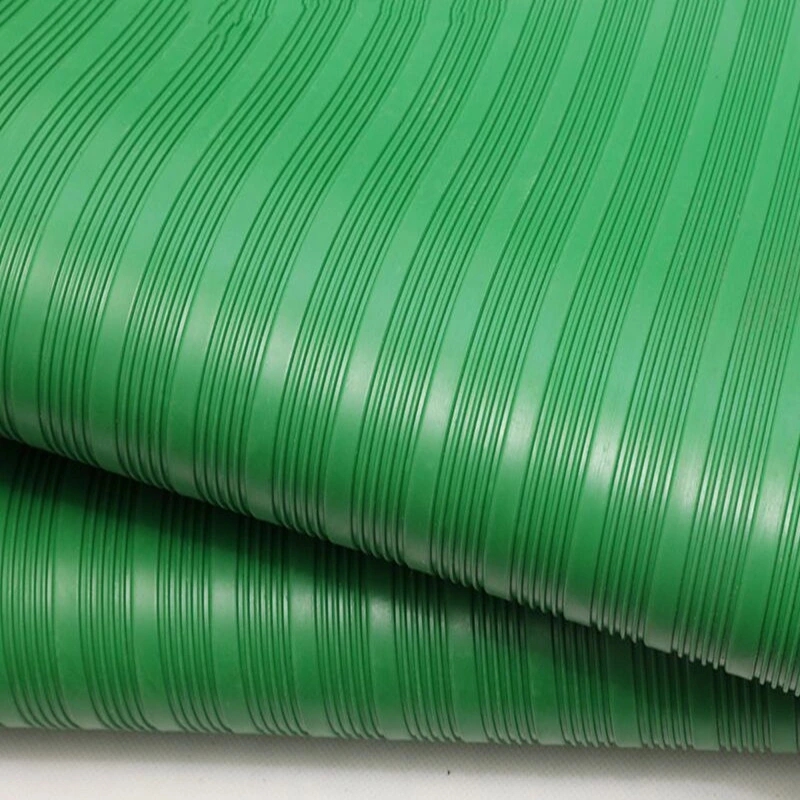
Substations are high-risk electrical areas where safety standards are especially strict. Rubber insulation mats are commonly used in:
Indoor substations
Transformer rooms
Power distribution stations
In these environments, insulation mats help protect technicians when operating circuit breakers or performing routine maintenance. Their high dielectric strength and durability make them suitable for long-term use in demanding electrical conditions.
Electrical panels and switchboards are widely found in factories, commercial buildings, and industrial plants. Accidental contact with live components or grounding faults can lead to serious injuries.
Placing rubber insulation mats in front of electrical panels:
Creates a safe standing surface
Minimizes the risk of electrical accidents
Provides anti-slip protection in dusty or humid environments
This application is one of the most common uses of rubber dielectric mats in industrial facilities.
During electrical maintenance and repair work, technicians often need temporary protection in different locations. Rubber insulation mats are easy to install and relocate, making them ideal for:
Temporary maintenance zones
Mobile electrical workstations
Emergency repair operations
Their flexibility and mechanical strength allow them to withstand heavy foot traffic while maintaining electrical insulation performance.
When selecting a rubber insulation mat for electrical safety applications, the following factors should be considered:
Voltage rating: Choose a mat tested and certified for the required working voltage
Thickness: Higher voltage applications typically require thicker mats
Surface pattern: Anti-slip surfaces improve worker stability
Compliance: Ensure the mat meets relevant international standards for electrical insulation
Selecting the correct specification ensures both safety and long service life in industrial environments.
Rubber insulation mats are an essential safety product in electrical control rooms, substations, and industrial electrical environments. By providing reliable dielectric protection and improving workplace safety, they help reduce electrical risks and support compliance with safety regulations.
For industrial facilities working with electrical equipment, choosing high-quality rubber insulation mats is a practical and effective step toward safer operations.
Tianjin Qihang Plastic Technology Co., Ltd
12+ Years Expertise in Industrial Rubber Sheet Manufacturing • Global Export Leader • REACH/RoHS Certified
...[ Read More >>]


