An insulation rubber sheet is a specialized safety material designed to protect workers and equipment from electrical shock. Unlike standard rubber flooring, insulation mats are manufactured using high-dielectric rubber compounds that can block the flow of electrical current—even under high-voltage conditions.
These sheets are essential components in:
Electrical distribution systems
Industrial control environments
Power grid infrastructure
High-voltage operational areas
High-quality insulation rubber sheets must maintain stable dielectric performance even when exposed to:
High humidity
Oil stains
Mechanical pressure
Continuous worker traffic
Aging, ozone, and environmental exposure
Their safety and reliability make them indispensable for factories, electrical companies, engineering contractors, and global electrical distributors.
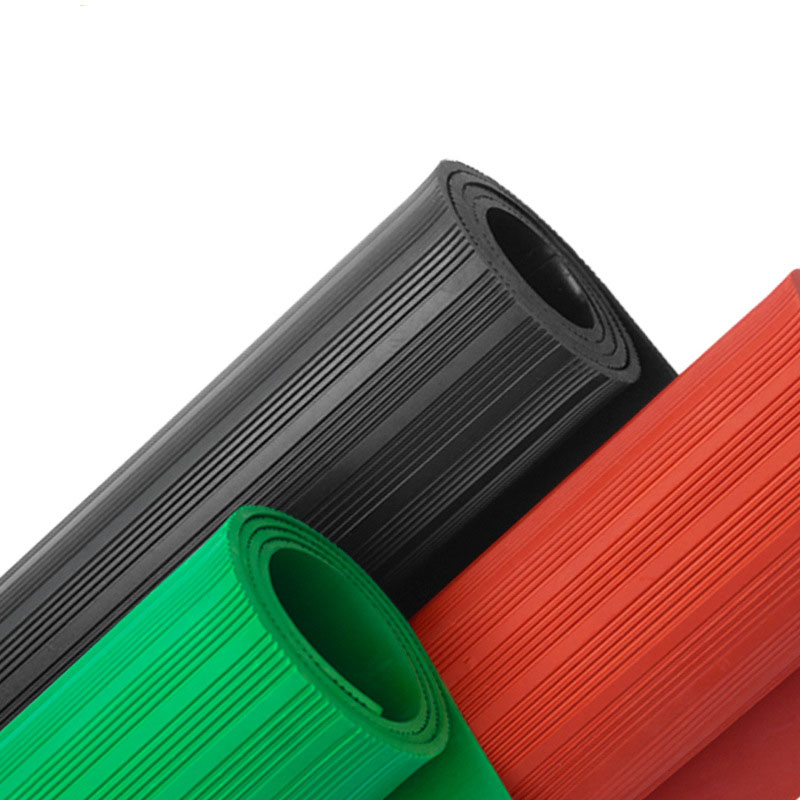
Insulation rubber sheets undergo strict testing such as:
AC withstand voltage test
Breakdown voltage test
Leakage current test
Surface resistance test
Only after passing these tests can they be classified into voltage grades including:
5kV / 10kV / 15kV / 20kV / 35kV.
The higher the voltage level, the better the protection in high-risk zones.
The raw material formula includes:
EPDM for weather resistance
NR for resilience and elasticity
SBR for abrasion resistance
NBR for oil-resistant environments
Together, these materials ensure the mat can handle:
Heavy foot traffic
Large machinery maintenance
Harsh industrial conditions
Patterns such as ribbed and diamond ensure:
Increased traction
Better stability during electrical work
Reduced accident rates in high-risk areas
Even in oily or wet environments, workers maintain safe footing.
Electrical insulation mats are engineered to maintain performance for years:
Withstand extreme temperatures
Resist cracking
Maintain flexibility
Prevent moisture absorption
This ensures long-term cost-efficiency and stable electrical protection.
Used around transformers, switchgear, and high-voltage control equipment to prevent electrical shock during routine inspections and emergency repairs.
Providing safe operating surfaces for technicians working with:
Load centers
Capacitor banks
Circuit breakers
Relay panels
Factories use insulation mats to protect:
Maintenance engineers
Machine operators
Electrical contractors
Especially in areas with oil, dust, and continuous vibrations.
Offers stable, non-conductive surfaces for:
Electrical component testing
High-voltage experiments
Student training environments
Calibration and measurement rooms
| Property | Specification |
|---|---|
| Material | NR / SBR / EPDM / NBR |
| Voltage Grade | 5kV / 10kV / 15kV / 20kV / 35kV |
| Thickness | 3mm / 5mm / 6mm / 8mm / 10mm |
| Width | 1m / 1.2m / Custom |
| Length | 5m / 10m / 20m / Custom |
| Surface Pattern | Fine Rib / Wide Rib / Diamond / Smooth |
| Color Options | Black / Green / Red (customizable) |
| Standards | IEC 61111, ASTM D178 |
| Temperature Range | –20°C to +70°C |
| Features | Anti-slip, flame resistant (optional), moisture-resistant |
Google 可以轻松抓取结构化数据,有利于提升排名。
To ensure safety and compliance, consider these factors:
Low voltage (5–10kV): workshop, school lab
Medium voltage (15–20kV): industrial factory
High voltage (35kV): substations, power plants
3mm: light-duty, indoor
5–8mm: general industrial use
10mm: heavy equipment zones
Ribbed: best anti-slip for electrical rooms
Diamond: heavy-duty environments
Smooth: clean rooms and labs
If your products are exported或用于政府项目,必须要求:
IEC 61111
ASTM D178
CE or ISO 9001
To prevent electric shock by creating a non-conductive protective layer between the user and the ground.
Typically 5–10 years, depending on environment and usage frequency.
Yes, EPDM-based insulation mats provide strong UV and weather resistance.
Higher voltage grades offer stronger dielectric performance and are required in high-voltage equipment rooms.
Yes, we support custom width, length, color, logo, and voltage grade.
We specialize in industrial rubber production and offer:
Precise formulation & strict quality control
Voltage testing for every batch
Global export experience
Professional OEM/ODM service
Competitive prices and stable supply
Our products are trusted by electrical contractors, distributors, and industrial factories worldwide.
Tianjin Qihang Plastic Technology Co., Ltd
12+ Years Expertise in Industrial Rubber Sheet Manufacturing • Global Export Leader • REACH/RoHS Certified
...[ Read More >>]


