Insulating rubber sheets are fundamental safety materials used across industries where electrical equipment is present. Their role goes far beyond simply covering the floor or providing cushioning—they create a critical protective barrier that prevents electrical current from passing through the human body. In environments such as power stations, substations, industrial workshops, transformer rooms, and electrical control areas, these sheets serve as the first and most essential protective layer for engineers and technicians.
Over the years, industrial facilities have transitioned from basic rubber mats to engineered insulating rubber sheets manufactured under strict international standards. Modern insulating sheets now offer higher dielectric strength, improved resistance to mechanical stress, longer service life, and better performance under extreme temperatures and harsh working conditions. This evolution has made them indispensable in electrical safety management systems worldwide.
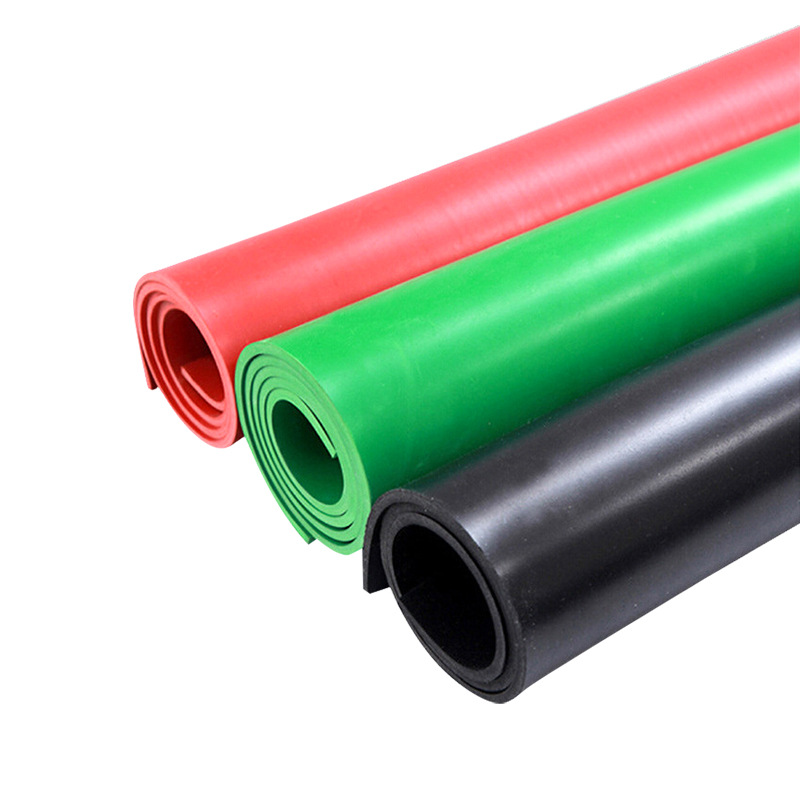
An insulating rubber sheet is a specially designed elastomeric sheet that provides electrical insulation by resisting the flow of electric current. Unlike conventional rubber flooring materials, insulating rubber sheets are tested under high voltage to ensure they maintain dielectric strength even under pressure, bending, or surface contamination.
These sheets are produced using carefully selected rubber compounds and additives that deliver excellent insulation performance. Every part of the sheet—from its thickness, surface pattern, polymer content, and mechanical strength—plays a crucial role in determining its overall safety rating.
High dielectric resistance even under continuous AC or DC voltage exposure
Non-conductive and arc-resistant structure
Anti-slip surfaces to ensure worker stability during operation
High elasticity for better mechanical protection
Resistance to oils, chemicals, and moisture
Long-term aging stability even under UV, ozone, or thermal exposure
These properties make insulating rubber sheets suitable for environments where accidental electric shock, equipment faults, or voltage leakage pose potential risks.
A high-quality insulating rubber sheet must comply with internationally recognized testing standards. These standards ensure that the product can safely withstand high voltage without losing its insulation capacity.
The most widely accepted global standard specifying the requirements for insulating mats used around electrical installations. It includes:
Aging tests
Flame resistance
Ozone resistance
Slip resistance
Voltage withstand capability
Common in the U.S. power and industrial sectors. It defines testing methods for dielectric rubber materials, including tensile strength and elongation.
Primarily used in Europe, providing classification for different voltage classes and testing methods.
China’s national standard for insulating rubber materials used in electrical protection.
To ensure safe performance in real-world environments, an insulating rubber sheet must undergo multiple levels of laboratory testing:
Evaluates the sheet’s ability to resist electrical breakdown.
Higher dielectric strength means better performance under voltage stress.
Includes tensile strength, tear resistance, elongation at break, and compression recovery.
Measures stability under high temperatures, ensuring long-term durability.
Important for outdoor installations or environments with ozone pollution.
Critical in factories, chemical workshops, and heavy industry facilities.
Essential for ensuring worker safety in damp, oily, or dust-prone environments.
Together, these tests determine the suitability of the insulating rubber sheet for industrial and electrical use.
An insulating rubber sheet may look like a normal rubber mat, but its formulation is far more advanced. Its performance depends on the careful balancing of multiple ingredients.
Natural Rubber (NR): Exceptional elasticity and mechanical strength
Synthetic Rubber (EPDM, SBR, NBR): Better resistance to heat, ozone, oils, and chemicals
Engineers select different elastomers based on the environment the sheet will be used in.
Reinforce the rubber’s dielectric properties and prevent carbon tracking under voltage exposure.
Improve resistance to oxidation, UV light, and thermal degradation.
The surface pattern affects grip and stability:
Ribbed / Grooved Surface: Provides strong slip resistance
Corrugated Surface: Suitable for wet industrial floors
Fabric-textured Surface: Used for electrical control rooms
Smooth Finish: Ideal for clean and dust-free environments
Each surface pattern is designed to improve both safety and operational convenience.
The most critical factor. Premium sheets can withstand voltages from 5kV up to 35kV depending on thickness and composition.
Insulating rubber sheets remain stable under:
High humidity
Temperature fluctuations
Chemical exposure
Dust and oils
UV and ozone
This ensures longer service life even in outdoor or industrial settings.
Thanks to high tensile strength and tear resistance, these sheets do not deform easily under continuous foot traffic, heavy equipment, or long-term pressure.
They maintain insulation capability even in hot or cold environments, making them ideal for substations, power plants, and manufacturing facilities.
Insulating rubber sheets are used in nearly every industry that involves electrical equipment.
Transformer rooms
Switchgear areas
Substations
High-voltage operating zones
Assembly lines
Mechanical workshops
Maintenance and repair environments
Protects critical systems from electrical hazards.
Used in railway substations, airports, tunnels, and metro stations.
Portable insulating mats are used by technicians during equipment inspections.
| Specification | Value / Range |
|---|---|
| Thickness | 3–12 mm |
| Voltage Classes | 5kV / 10kV / 15kV / 20kV / 30kV |
| Hardness | 60–70 Shore A |
| Tensile Strength | ≥ 5 MPa |
| Elongation | ≥ 250% |
| Width | 1m – 1.2m |
| Length | 5m – 10m |
| Surface Texture | Ribbed / Smooth / Fine-texture |
| Color | Black / Red / Green |
When selecting an insulating sheet, consider:
Always choose a sheet with a higher voltage rating than the equipment in use.
Damp, oily, or outdoor areas require specific surface textures and materials.
Select thicker sheets for heavy industrial use.
Ensure the supplier provides IEC or ASTM testing reports.
Factories often require custom width, color, or surface texture.
Manufactured using high-grade natural and synthetic elastomers
Comply with IEC 61111, ASTM D178, EN 61111, GB/T standards
High dielectric strength and long-term stability
Available in multiple colors, thicknesses, and voltages
Factory-direct pricing with reliable lead times
Proven performance in power plants, factories, and government projects
Insulating rubber sheets are essential components of electrical safety systems across all industrial sectors. They provide reliable electrical insulation, excellent mechanical strength, and long-lasting durability under a variety of environmental conditions. Whether installed in substations, factories, workshops, or outdoor electrical sites, they remain one of the most effective and widely used protective materials for preventing electrical hazards.
Choosing a high-quality, standards-compliant insulating rubber sheet ensures a safer workplace, reduces risk, and enhances operational efficiency—making it a crucial investment for any industrial or commercial facility.
Tianjin Qihang Plastic Technology Co., Ltd
12+ Years Expertise in Industrial Rubber Sheet Manufacturing • Global Export Leader • REACH/RoHS Certified
...[ Read More >>]


