The Industrial Insulating Rubber Sheet is an essential safety material designed to provide superior electrical insulation and mechanical protection in high-voltage and industrial environments.
Made from advanced elastomer compounds such as EPDM, SBR, NBR, and natural rubber, it prevents electrical leakage, surface conductivity, and accidental electric shock — ensuring safe and stable power operations.
These sheets are widely used in power plants, substations, electrical panels, and factory floors where insulation, durability, and compliance with safety standards are critical.
In this guide, we will explore the key features, material types, technical specifications, and industrial uses of insulating rubber sheets to help you choose the best one for your application.
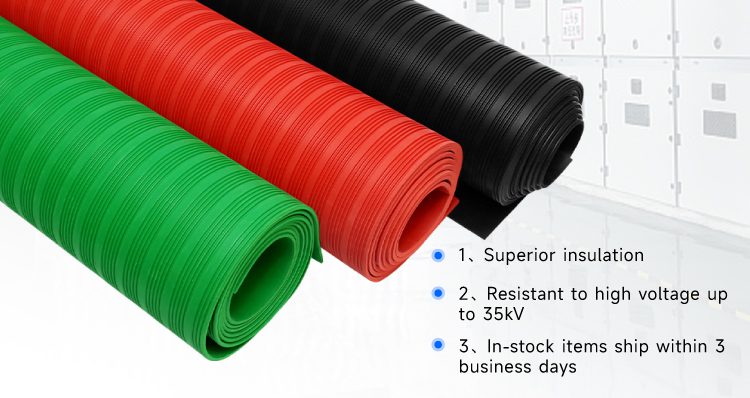
An insulating rubber sheet is a non-conductive protective mat that blocks the flow of electrical current between surfaces or people and live electrical equipment.
It acts as a safety barrier in high-voltage areas, reducing the risk of electric shock and improving workplace safety.
Depending on voltage exposure, electrical insulation rubber mats are classified by protection levels:
Class 0: Up to 1,000V
Class 1: Up to 7,500V
Class 2: Up to 17,000V
Class 3: Up to 26,500V
Class 4: Up to 36,000V
All insulation sheets should comply with standards such as IEC 61111 or ASTM D178 to ensure tested dielectric performance and worker safety.
Insulating rubber sheets provide high dielectric strength — typically between 30–50 kV/mm — to block current flow and prevent arcing.
They also feature:
Surface resistivity: ≥10¹² Ω
Low electrical conductivity
Consistent dielectric resistance even in humid conditions
These characteristics make them ideal for switchgear flooring, transformer zones, and control panels.
In addition to electrical protection, insulating rubber sheets are mechanically tough.
They resist tearing, puncture, and abrasion, and provide anti-slip surfaces for safety in industrial environments.
Typical performance values include:
Tensile Strength: 6–12 MPa
Elongation at Break: 250–400%
Hardness: 55–70 Shore A
High-quality EPDM insulation rubber performs in extreme conditions ranging from -40°C to +100°C.
It is resistant to UV, ozone, and moisture, maintaining its electrical insulation properties in both indoor and outdoor environments.
Excellent resistance to heat, ozone, and aging
Stable dielectric properties in outdoor environments
Ideal for power stations, solar farms, and transformer flooring
Resistant to oil, fuel, and chemicals
Perfect for industrial plants, machinery rooms, and generator bases
Economical option with good mechanical strength
Suitable for medium-voltage insulation and factory floors
Excellent elasticity and shock absorption
Used for light-duty electrical isolation and vibration reduction
Each type can be tailored for thickness (1–25mm), color, surface finish, and dielectric grade according to client needs.
Insulating mats are installed around transformers, substations, and electrical panels to ensure technician safety during maintenance or inspection.
Placed under switchgear and cabinets, they prevent grounding faults and electrical leakage that could endanger personnel.
Ideal for factory floors, test laboratories, and assembly lines to reduce static buildup and vibration.
Used in solar power systems and wind turbine bases, insulating rubber sheets provide long-term dielectric protection under harsh outdoor conditions.
To ensure reliable performance, insulating rubber sheets should comply with:
IEC 61111: Live Working Insulating Mats
ASTM D178: Electrical Insulation Rubber Specification
EN 60243: Electrical Strength Testing Standard
RoHS & REACH: Environmental and Safety Compliance
These certifications confirm dielectric safety, mechanical strength, and chemical stability, guaranteeing safe use in high-voltage environments.
Proper installation and maintenance ensure longer service life:
Install on dry, clean, and even surfaces.
Avoid direct sunlight and chemical exposure.
Inspect regularly for cracks, deformation, or surface burns.
Clean using mild soap and water; avoid solvents.
Replace every 5–10 years depending on usage and voltage exposure.
Following these steps ensures that the insulation rubber retains optimal performance and safety.
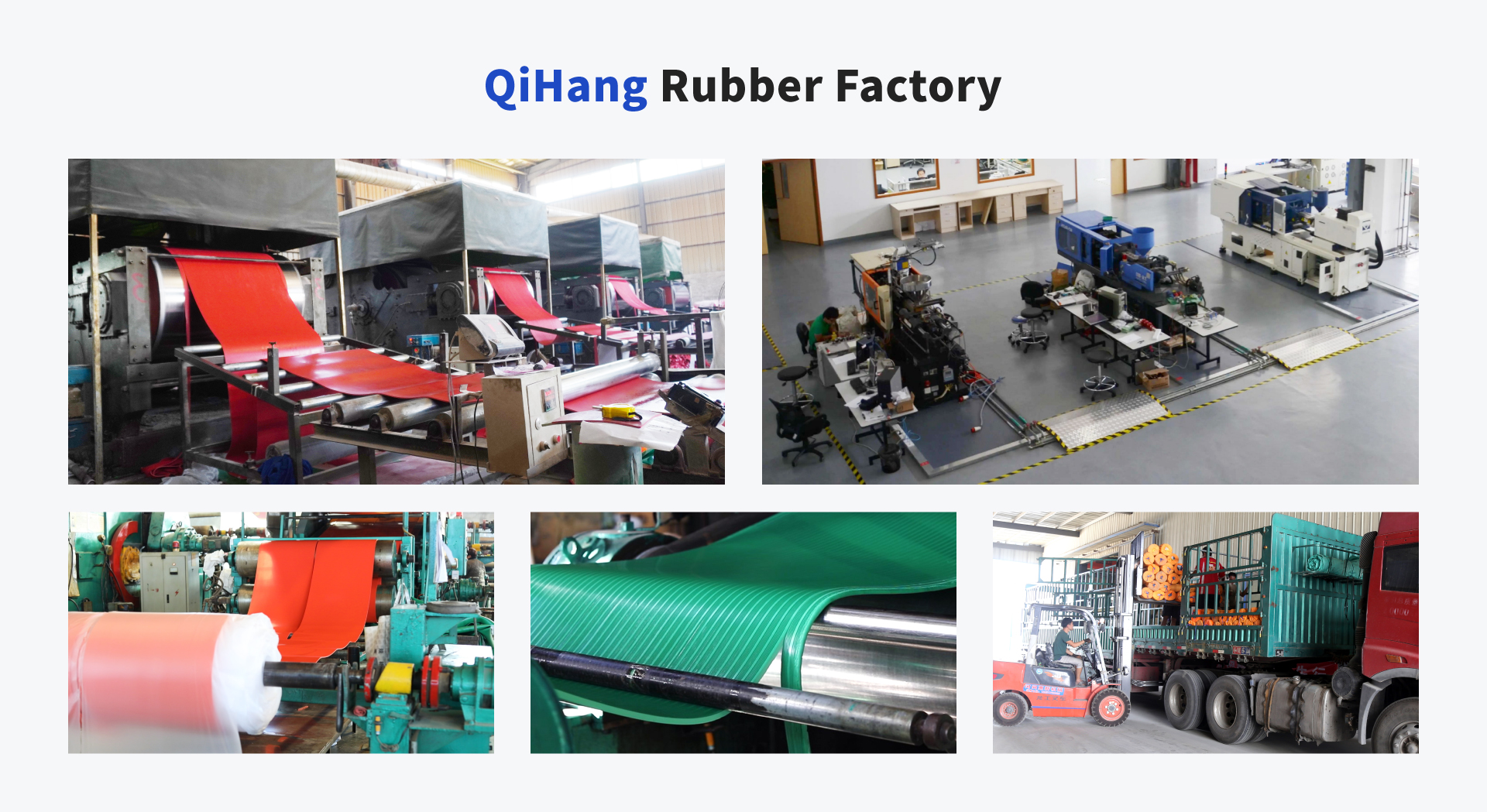
Qihang Rubber specializes in manufacturing high-performance insulation rubber sheets for industrial and electrical applications.
With advanced production technology and strict quality inspection, we ensure every sheet delivers uniform thickness, superior dielectric strength, and long-term durability.
Our range includes EPDM, NBR, SBR, and natural rubber insulation sheets in multiple voltage classes, customized to meet international standards (IEC / ASTM).
Trusted by global clients across energy, electrical, and manufacturing sectors, Qihang Rubber provides safe, reliable, and cost-effective insulation solutions.
The Industrial Insulating Rubber Sheet is an indispensable safety material for modern power and electrical systems.
Combining electrical insulation, durability, and environmental resistance, it ensures reliable protection for workers and equipment alike.
If you need custom high-voltage rubber sheets for your substation, factory, or renewable energy project, Qihang Rubber offers tailored solutions with global shipping and technical support.
Tianjin Qihang Plastic Technology Co., Ltd
12+ Years Expertise in Industrial Rubber Sheet Manufacturing • Global Export Leader • REACH/RoHS Certified
...[ Read More >>]


