Selecting the right insulation rubber sheet is a critical decision for ensuring electrical safety, durability, and long-term equipment protection in industrial and high-voltage environments.
The three most widely used insulation materials — EPDM, NBR, and Natural Rubber (NR) — each have their own chemical composition, dielectric strength, and environmental resistance that make them suitable for different applications.
In this comprehensive guide, we’ll compare EPDM vs NBR vs Natural Rubber insulation sheets, explore their properties, performance differences, and best use cases, and help you determine which material is the most suitable for your specific electrical and industrial requirements.
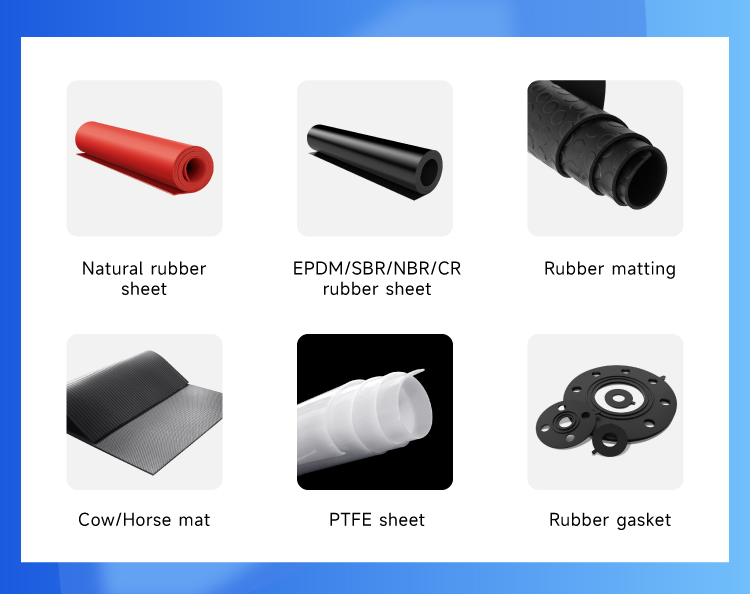
An insulation rubber sheet (also known as an electrical insulating mat or dielectric rubber sheet) is a non-conductive protective layer that prevents electrical current from passing between conductive surfaces or to the ground.
These sheets are essential for:
Protecting workers from electric shock and leakage current
Providing dielectric isolation under electrical panels or switchgear
Reducing vibration, noise, and surface wear in machinery areas
Insulation rubber sheets are used across industries such as:
Power generation and transmission
Switchboard and substation flooring
Manufacturing and heavy machinery
Renewable energy installations
EPDM (Ethylene Propylene Diene Monomer) is one of the most reliable insulation rubbers for high-voltage and outdoor environments. It is a synthetic rubber compound known for its excellent electrical insulation, temperature stability, and weather resistance.
Outstanding dielectric strength (up to 50 kV/mm)
Excellent ozone, UV, and weather resistance
Temperature range: -40°C to +120°C
High flexibility and waterproof properties
Performs well in outdoor substations and transformer areas
Maintains dielectric strength even under extreme weather conditions
Long-lasting and resistant to cracking, aging, and ozone attack
Low maintenance and environmentally stable
Moderate oil resistance — not ideal for workshops exposed to lubricants or chemicals
Slightly higher cost compared to Natural Rubber or SBR
Power stations and renewable energy facilities
Transformer yards and outdoor switchgear flooring
High-voltage test zones requiring weatherproof insulation
NBR (Nitrile Butadiene Rubber) is a durable, synthetic rubber developed for industrial environments with oil, fuel, or chemical exposure. It combines good electrical insulation with superior oil and abrasion resistance.
Excellent resistance to oils, fuels, and industrial solvents
Temperature range: -30°C to +100°C
Good dielectric strength and tear resistance
Resistant to abrasion and mechanical wear
Perfect for factories, generator rooms, and maintenance workshops
Maintains insulation performance even after oil exposure
Cost-effective and durable in chemical or mechanical environments
Lower UV and ozone resistance — not suitable for direct outdoor exposure
Moderate flexibility at extremely low temperatures
Indoor electrical panels and machine base insulation
Power generation facilities where oil leaks may occur
Industrial control rooms requiring non-slip, oil-resistant flooring
Natural Rubber (NR) is made from natural latex and is valued for its elasticity, resilience, and strong mechanical strength.
It is a traditional and economical material widely used in low-voltage insulation and mechanical protection applications.
Excellent tensile strength (up to 22 MPa)
Elongation at break: 500–700%
Temperature range: -40°C to +80°C
High friction and anti-slip surface
Great elastic recovery and cushioning ability
Excellent vibration damping performance
Ideal for indoor low-voltage and anti-fatigue flooring
Cost-effective for general-purpose electrical isolation
Poor resistance to oil, UV, and ozone exposure
Not suitable for outdoor or chemical environments
Shorter lifespan compared to EPDM or NBR
Workshops, testing rooms, and low-voltage switchboard areas
Indoor flooring for anti-vibration and electrical insulation
Temporary insulation pads for laboratory use
| Property | EPDM Rubber | NBR Rubber | Natural Rubber (NR) |
|---|---|---|---|
| Electrical Insulation | ★★★★★ Excellent | ★★★★☆ Good | ★★★ Moderate |
| Oil & Chemical Resistance | ★★★ Fair | ★★★★★ Excellent | ★ Poor |
| Weather & UV Resistance | ★★★★★ Excellent | ★★★ Fair | ★ Poor |
| Temperature Range (°C) | -40 to +120 | -30 to +100 | -40 to +80 |
| Tensile Strength (MPa) | 8–12 | 6–10 | 18–22 |
| Elongation (%) | 300–400 | 250–350 | 500–700 |
| Dielectric Strength (kV/mm) | 30–50 | 25–40 | 20–30 |
| Durability / Service Life | Long | Medium | Short |
| Cost Efficiency | Medium | Medium | High |
| Best Use | Outdoor / High Voltage | Indoor / Oil Resistance | Indoor / Low Voltage |
✅ Quick Summary:
EPDM → For outdoor and high-voltage insulation; weatherproof and durable
NBR → For oil-resistant, indoor industrial environments
Natural Rubber → For low-voltage, indoor, cost-effective insulation needs
When selecting the ideal insulation rubber sheet, consider the following factors:
Voltage Level:
Use EPDM for high-voltage (Class 2–4) systems. NBR and NR are suitable for low- to medium-voltage applications.
Environment:
Choose EPDM for outdoor and weather-exposed setups, NBR for oily or chemical areas, and NR for clean indoor environments.
Temperature and Aging Resistance:
For areas with heat or UV exposure, EPDM offers the best long-term performance.
Budget and Maintenance:
Natural Rubber provides a cost advantage but requires more frequent replacement; EPDM lasts the longest with minimal upkeep.
All industrial insulation rubber sheets must conform to international safety and quality standards, including:
IEC 61111 – Insulating Mats for Electrical Purposes
ASTM D178 – Electrical Insulation Rubber Specification
EN 60243 – Electric Strength Testing Method
RoHS / REACH – Environmental and Safety Compliance
Certified materials ensure consistent dielectric strength, aging resistance, and workplace safety compliance.
Qihang Rubber is a professional manufacturer of industrial insulation rubber sheets with more than 15 years of production and export experience.
We supply EPDM, NBR, and Natural Rubber insulation mats that meet IEC 61111 and ASTM D178 standards.
✅ Custom thicknesses, colors, and voltage grades
✅ Strict quality inspection and dielectric testing
✅ OEM and global export service available
Trusted by clients in energy, electrical, and manufacturing industries, Qihang Rubber delivers high-quality insulation materials for safe, efficient, and long-lasting performance.
Each insulation rubber type — EPDM, NBR, and Natural Rubber — offers unique advantages for different industrial needs:
Choose EPDM for high-voltage, outdoor, and weather-exposed applications
Choose NBR for oil-resistant, indoor industrial areas
Choose Natural Rubber for low-voltage or vibration-damping indoor use
Selecting the right insulation material ensures worker safety, equipment reliability, and long-term cost efficiency.
Tianjin Qihang Plastic Technology Co., Ltd
12+ Years Expertise in Industrial Rubber Sheet Manufacturing • Global Export Leader • REACH/RoHS Certified
...[ Read More >>]


