EPDM (Ethylene Propylene Diene Monomer) rubber sheet is a synthetic rubber known for its excellent weather resistance, UV stability, and electrical insulation properties. It performs well in outdoor applications where exposure to ozone, sunlight, and extreme temperatures can quickly degrade other materials.
Key properties of EPDM custom rubber sheet include:
Wide temperature tolerance (-40°C to +120°C)
Strong resistance to ozone, UV rays, and aging
Excellent flexibility and durability
Reliable electrical insulation performance
Typical applications of EPDM rubber sheet for industrial use:
Electrical insulation rubber sheet in power plants and substations
Roofing membranes and outdoor sealing gaskets
Automotive weatherstripping and door seals
General-purpose industrial sealing and vibration absorption
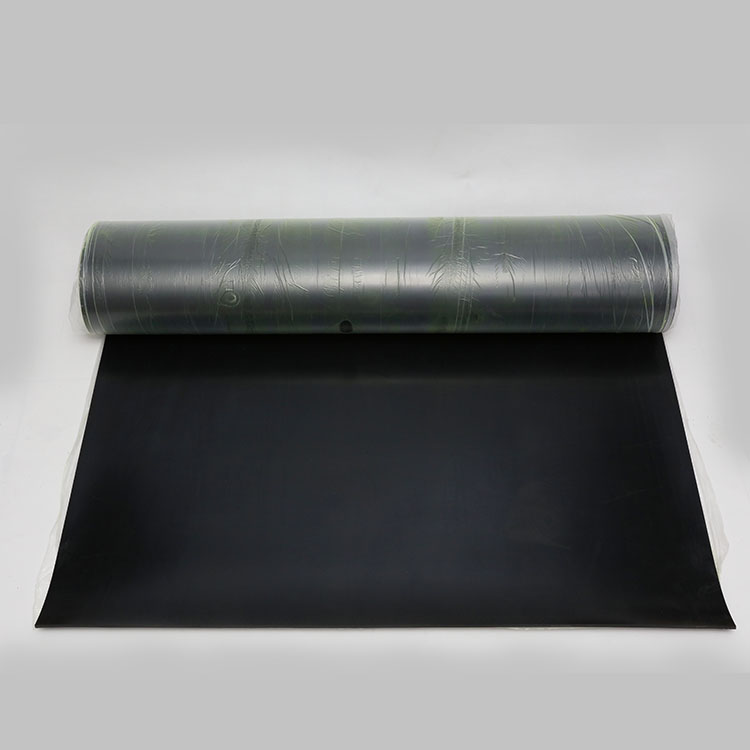
NBR (Nitrile Butadiene Rubber) rubber sheet is highly valued for its superior oil, fuel, and chemical resistance. It is widely used in industries where contact with petroleum-based substances is common.
Key properties of NBR oil resistant rubber sheet include:
Outstanding resistance to oil, diesel, and fuels
Good mechanical strength and abrasion resistance
Temperature range from -30°C to +100°C
Reliable sealing performance under pressure
Common applications of NBR rubber sheet for sealing and insulation:
Rubber gasket material sheet for machinery and pipelines
Oil-resistant sealing pads in automotive and marine industries
Industrial hoses, O-rings, and oil storage equipment
Food grade NBR rubber sheet for oil-handling in food processing
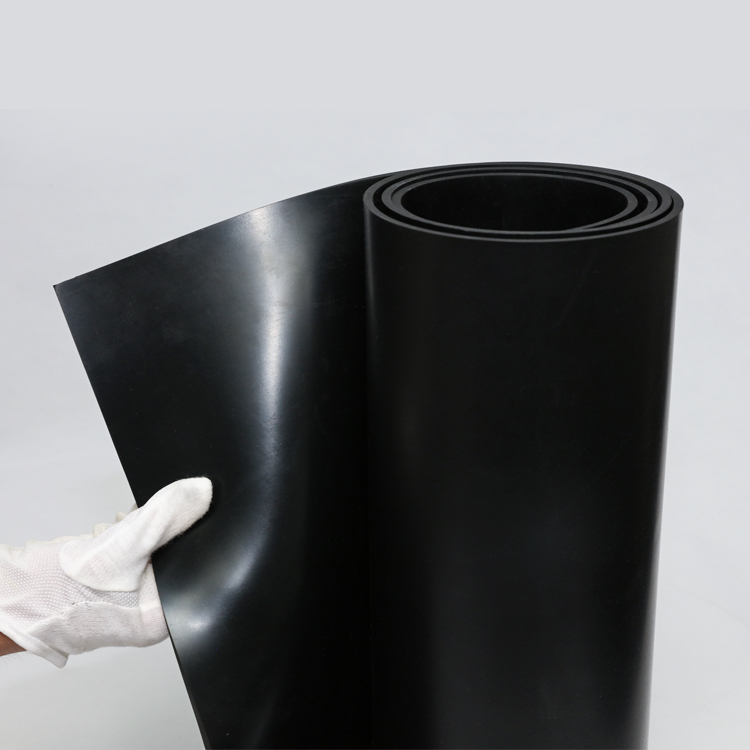
When comparing EPDM vs NBR rubber sheet, the choice depends on environmental conditions and material requirements.
Weather Resistance: EPDM is superior for outdoor, UV, and ozone exposure, while NBR is less resistant to aging.
Oil and Fuel Resistance: NBR excels in resisting oils, fuels, and chemicals, while EPDM is not recommended for such environments.
Temperature Performance: EPDM handles extreme cold and heat better, while NBR works well in moderate oil-contacting environments.
Electrical Insulation: EPDM is widely used for electrical insulation rubber sheet, while NBR is chosen for sealing against oils.
When selecting the right rubber material, consider the following factors:
Exposure to Weather and UV: Choose EPDM custom rubber sheet for outdoor durability.
Contact with Oil or Fuel: Choose NBR oil resistant rubber sheet for machinery, automotive, and industrial sealing.
Electrical Applications: EPDM rubber sheet is preferred for insulation and power-related industries.
Food and Medical Uses: Food grade rubber sheet made from NBR can meet hygiene requirements.
Cost and Longevity: EPDM generally provides longer service life outdoors, while NBR is cost-effective in oil resistance.
Both EPDM rubber sheets and NBR rubber sheets offer unique advantages depending on your application.
If your project requires weather resistance, durability, and electrical insulation, EPDM is the better choice.
If you need oil resistance, chemical stability, and reliable sealing in fuel-rich environments, NBR is the right material.
For industrial buyers, understanding these differences ensures you get the best rubber sheet for sealing and insulation, whether it’s EPDM, NBR, or even food grade rubber sheet for specialized needs.
Tianjin Qihang Plastic Technology Co., Ltd
12+ Years Expertise in Industrial Rubber Sheet Manufacturing • Global Export Leader • REACH/RoHS Certified
...[ Read More >>]


