Rubber sheets are highly functional materials valued for their flexibility, durability, and adaptability. From industrial machinery to construction, from automotive manufacturing to medical devices, rubber sheets are widely used across many fields.
Choosing the right type of rubber sheet is not a simple decision. Each type of rubber offers unique performance advantages, and only by matching the material to the environment, working conditions, and expected service life can you achieve optimal results.
Rubber sheets are generally divided into natural rubber and synthetic rubber, each playing a critical role in specific applications.
Natural rubber comes from latex and is known for its strong elasticity and toughness.
Key Features:
Excellent elasticity and elongation
Good tear and abrasion resistance
Can withstand repeated impact and compression
Applications:
Industrial vibration dampers and shock absorbers
Flooring and sports surfaces
Environments requiring high friction and wear resistance
The greatest strength of natural rubber sheets is their ability to combine flexibility with strength — absorbing shock while maintaining durability.
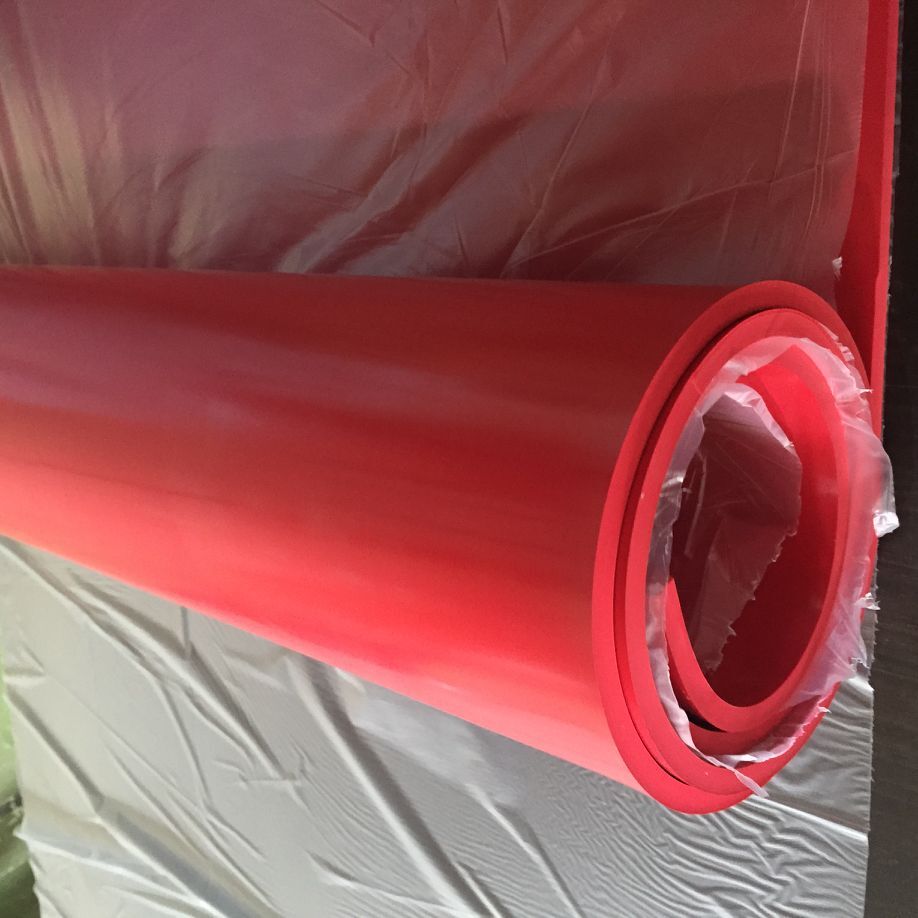
Synthetic rubbers are engineered through formulations to outperform natural rubber in weather resistance, chemical resistance, and temperature tolerance.
Key Features:
Outstanding weather and aging resistance
Long-term stability under UV, ozone, or humid conditions
Excellent temperature resistance (-40℃ to 120℃)
Strong electrical insulation properties
Applications:
Automotive industry (seals, trim, vibration dampers)
Electrical insulation materials
Outdoor equipment protection (covers, protective linings)
EPDM rubber sheets excel at withstanding environmental challenges. Unlike traditional waterproofing materials, EPDM is ideal for long-term outdoor exposure and fluctuating temperatures.
Key Features: Oil, chemical, and weather resistance; flame retardant; good aging resistance
Applications: Industrial gaskets, protective covers, marine and construction expansion joints
Key Features:
Remains flexible in extreme temperatures (-60℃ to 230℃)
Non-toxic, environmentally friendly, food- and medical-grade
Excellent ozone and weather resistance
Applications: Medical equipment, food processing seals, electronic components in high-temperature environments
Key Features: Excellent resistance to oil, fuels, and wear
Applications: Automotive fuel systems, petrochemical equipment, aerospace components
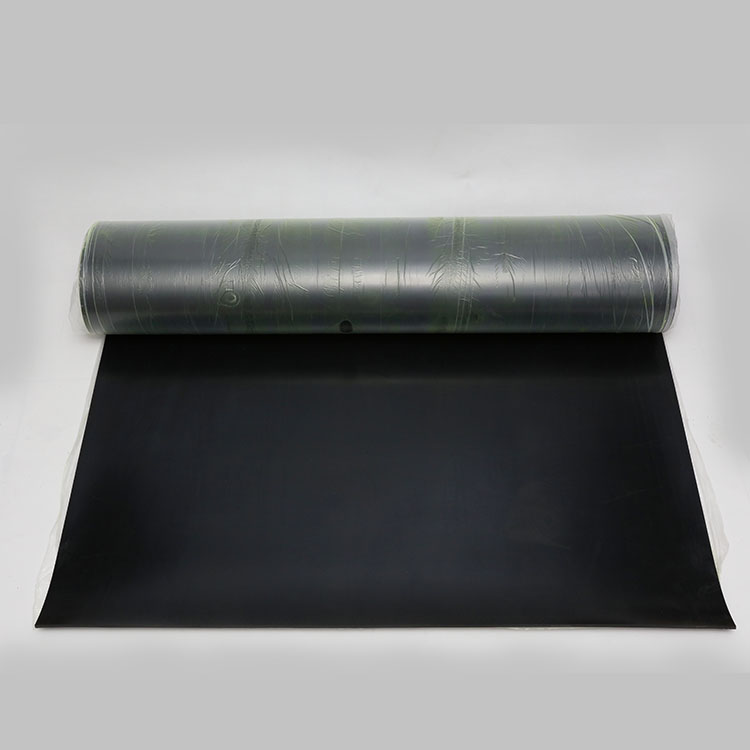
Key Features: Exceptional resistance to extreme heat and aggressive chemicals
Applications: Aerospace, petrochemical, and specialized industrial machinery
Key Features: Excellent gas impermeability and chemical resistance
Applications: Medical sealing products, automotive components, acoustic insulation
| Rubber Type | Key Advantages | Typical Applications |
|---|---|---|
| Natural Rubber | High elasticity, abrasion resistance | Shock absorbers, sports flooring |
| EPDM | Weather resistant, UV resistant, stable across temperatures | Automotive seals, electrical insulation, outdoor equipment |
| Neoprene | Oil & chemical resistance, flame retardant | Gaskets, marine equipment, construction joints |
| Silicone | Extreme temperature tolerance, food-safe | Medical devices, food processing, electronics |
| Nitrile (NBR) | Fuel, oil, and wear resistance | Automotive fuel systems, aerospace, petrochemicals |
| Fluoroelastomer | Heat and chemical resistance | Aerospace, petrochemical, special machinery |
| Butyl (IIR) | Gas impermeability, chemical resistance | Medical sealing, insulation |
Industrial Applications
Sealing, insulation, cushioning, and protective linings
EPDM for outdoor equipment and electrical insulation
NBR for oil-exposed environments
Commercial Applications
Anti-slip flooring and sports surfaces
Noise and vibration reduction in gyms and offices
Construction Industry
Expansion joint fillers, vibration isolation materials
Protective layers for engineering machinery
Neoprene and EPDM for long-term outdoor exposure
Manufacturing Industry
Protective linings for machinery
Chemical-resistant layers in production facilities
Silicone rubber for food and pharmaceutical manufacturing
High durability: Long-lasting, resistant to aging and hardening
Excellent elasticity: Withstands repeated stress and deformation
Environmental adaptability: Resists high/low temperatures, humidity, and UV radiation
Safety and compliance: Options available for food-grade and medical-grade standards
Customizable: Thickness, hardness, size, and tensile strength can be tailored to customer requirements
When selecting a rubber sheet, consider the following:
Operating environment: indoor, outdoor, high-temperature, or chemical exposure
Performance needs: abrasion resistance, oil resistance, weather resistance
Industry compliance: food-grade, flame-retardant, or medical safety certifications
Cost-effectiveness: balance between durability and budget
Premium Quality – Made from carefully selected raw materials and tested against international standards
Custom Services – Available in various thicknesses, sizes, hardness levels, and tensile strengths
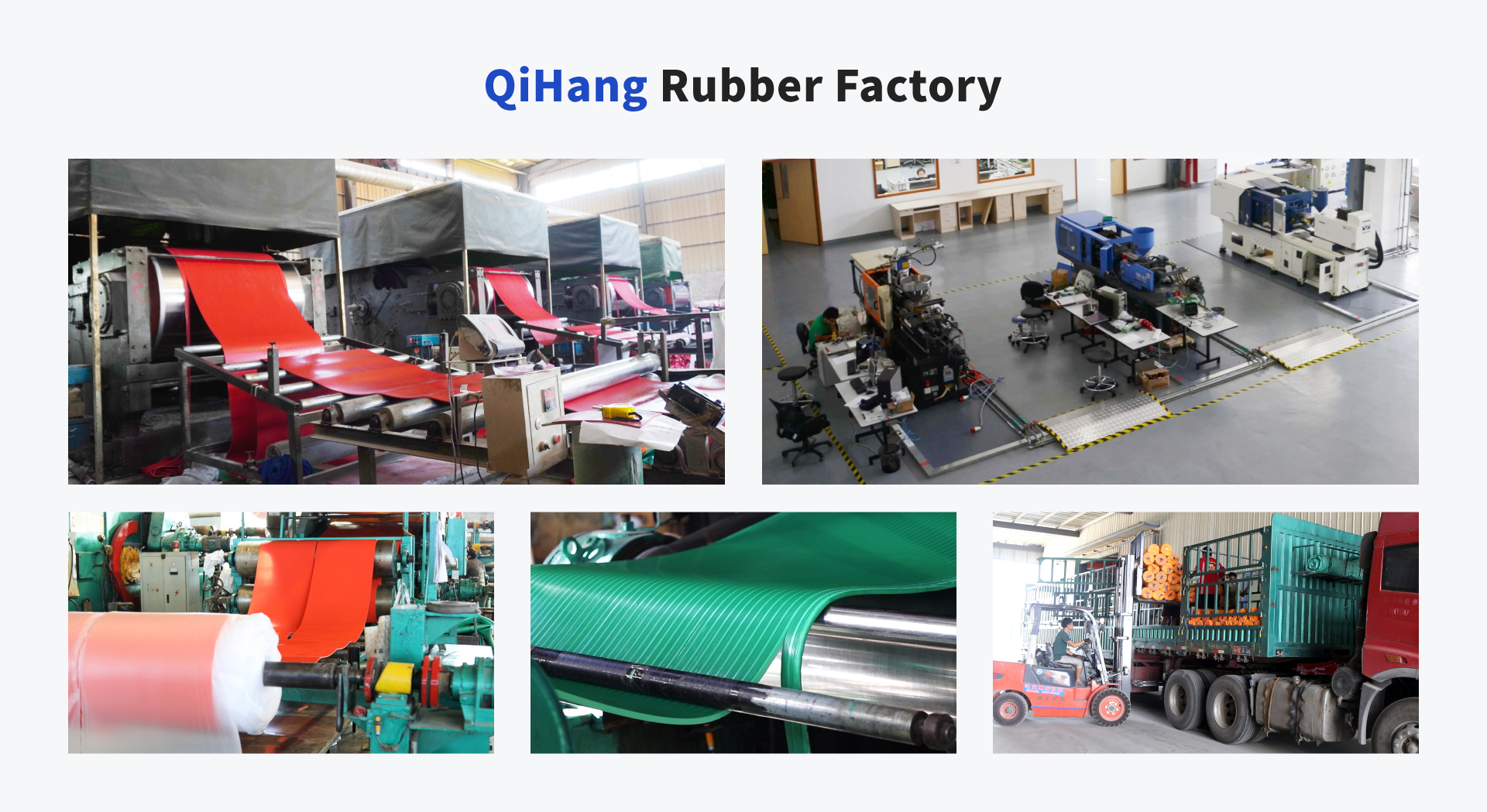
Professional Manufacturer – With years of experience, R&D expertise, and strong after-sales support
Rubber sheets, thanks to their versatility and reliability, have become indispensable in modern industry and commerce. EPDM rubber sheets, with their superior weather resistance and temperature stability, are ideal for outdoor and automotive applications. Meanwhile, Neoprene, Silicone, and Nitrile sheets shine in chemical, food, and medical fields.
By understanding the unique features of each type of rubber sheet, you can make informed decisions to enhance product performance and extend service life.
1. Where are EPDM rubber sheets mainly used?
They are primarily used in automotive seals, electrical insulation, and outdoor equipment protection.
2. Which rubber sheet is best for high-temperature environments?
Silicone and Fluoroelastomer (Viton) sheets perform best in extreme heat.
3. Can rubber sheets be customized?
Yes, they can be customized in thickness, size, hardness, and performance properties.
4. Which rubber sheet is best for oil-heavy environments?
Nitrile (NBR) rubber sheets are the preferred choice.
5. Do rubber sheets provide insulation?
Yes. Rubber sheets have excellent electrical insulation and soundproofing properties.
Tianjin Qihang Plastic Technology Co., Ltd
12+ Years Expertise in Industrial Rubber Sheet Manufacturing • Global Export Leader • REACH/RoHS Certified
...[ Read More >>]


