Rubber sheets are versatile materials used in a wide range of industries, including manufacturing, construction, automotive, electronics, electrical, and chemical industries. Due to their varying compositions and formulas, different types of rubber sheets offer different properties and are suitable for specific environments.
This article will thoroughly explain the five most common types of industrial rubber sheets: Neoprene, Nitrile, EPDM, FKM, and Natural Rubber, discussing their properties, advantages, and applications, helping you make an informed decision when selecting the right rubber sheet for your project.
In the industrial sector, rubber sheets are used in a variety of ways. The most common types include:
Neoprene Rubber Sheet
Nitrile Rubber Sheet
EPDM Rubber Sheet
FKM Rubber Sheet
Natural Rubber Sheet
Below, we’ll break down the properties and applications of each rubber sheet type.
Definition:
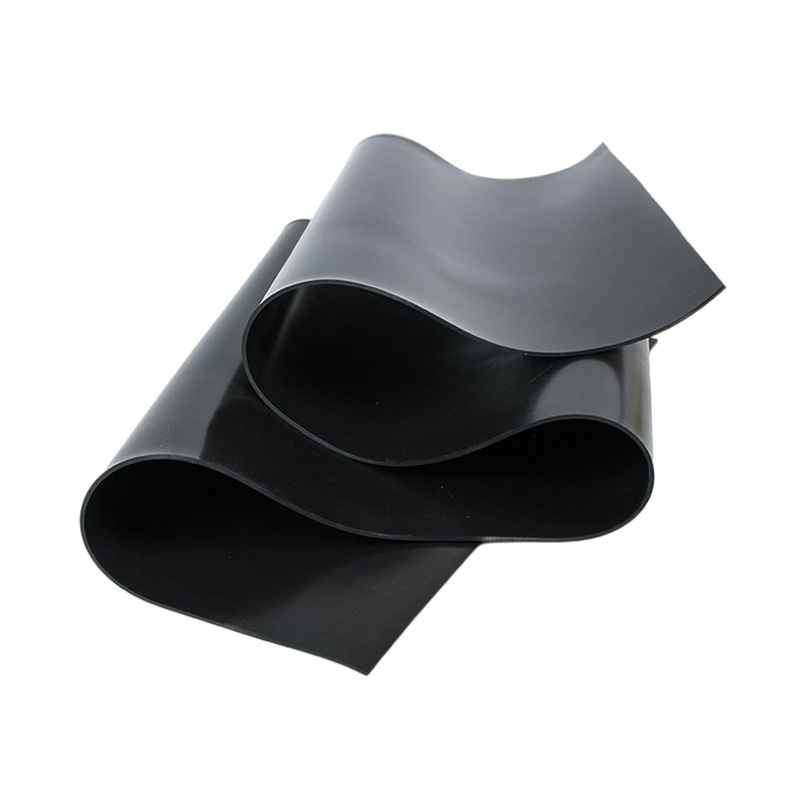
Neoprene rubber sheet is a synthetic rubber material known for its balanced performance.
Properties:
Excellent oil and chemical resistance, suitable for environments with moderate exposure to oils or chemicals
Good weathering resistance, UV, and ozone resistance, making it ideal for outdoor environments
It also has some flame retardant properties and electrical insulating performance
Flexible, with strong impact resistance
Applications:
Neoprene rubber sheets are widely used in mechanical seals, industrial gaskets, electrical insulation, outdoor protective materials, and water-related engineering and shock-absorbing applications.
Definition:
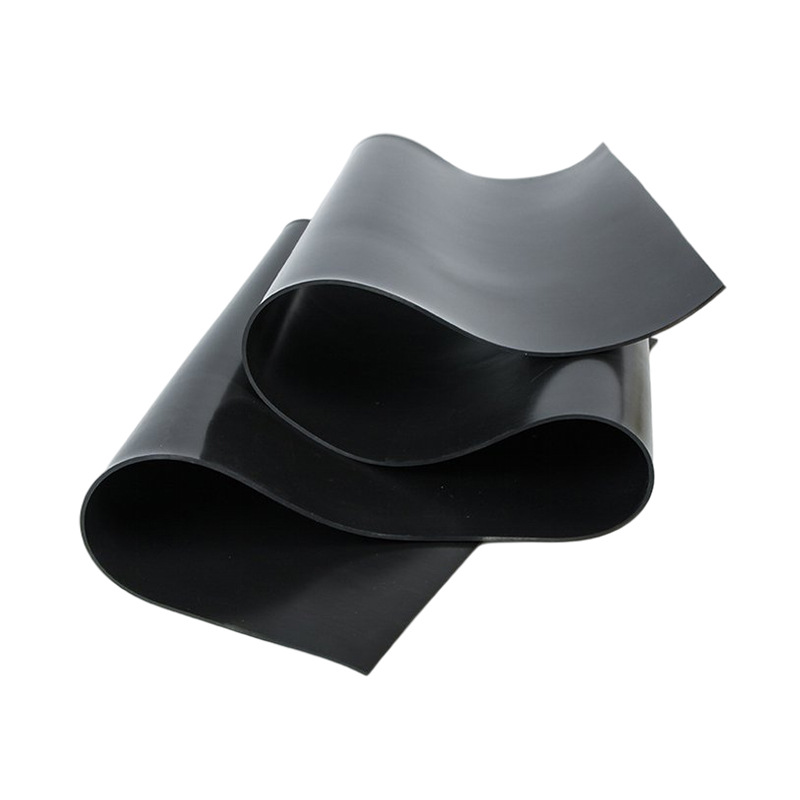
Nitrile rubber sheet is best known for its exceptional oil resistance.
Properties:
Among the most oil-resistant rubber types, nitrile rubber excels in fuel, oil, and hydraulic fluid resistance
It also offers good abrasion resistance and mechanical strength
Applications:
Nitrile rubber sheets are widely used in petrochemical industries, automotive, aerospace, and mechanical seals, particularly in environments where there is frequent exposure to fuels or lubricants.
Definition:
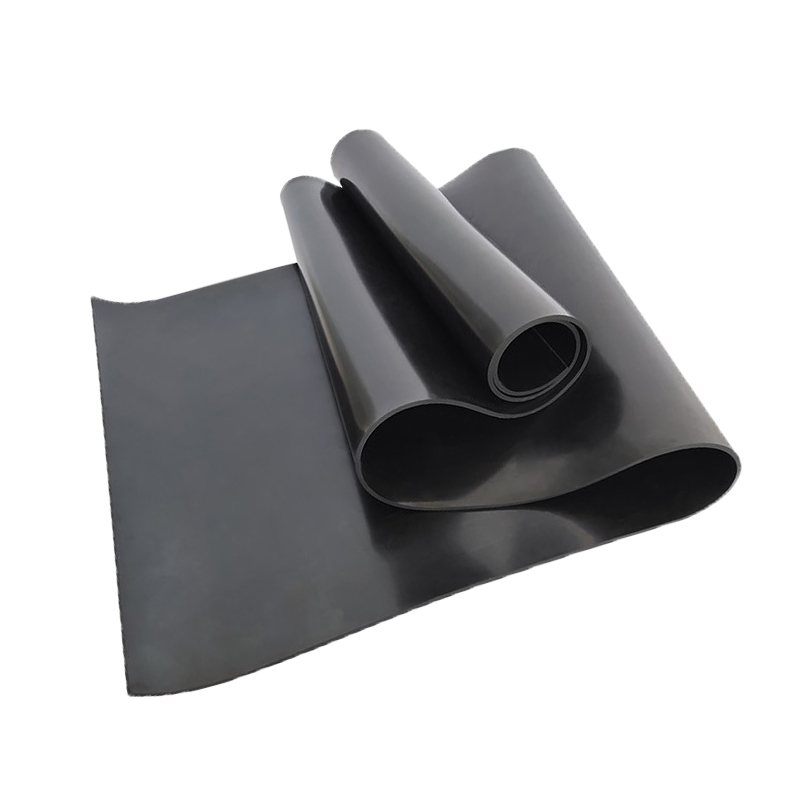
EPDM rubber sheets are known for their outstanding weather resistance and electrical insulation properties.
Properties:
Exceptional ozone, UV, and weather resistance, ideal for outdoor exposure
Excellent low-temperature flexibility, maintaining its pliability even in cold environments
Offers good electrical insulation properties
Applications:
While commonly used for roofing membranes, industrial EPDM rubber sheets are most often used for:
Outdoor equipment protection
Mechanical seals
Electrical insulation materials
Weather-resistant gaskets and vibration isolation
Definition:
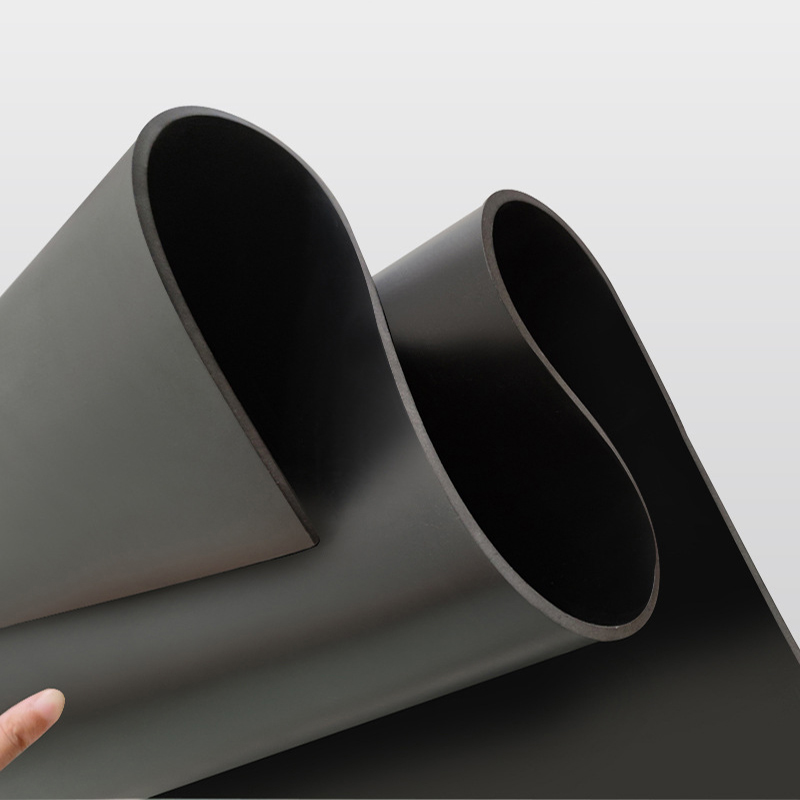
FKM rubber sheet is a high-performance synthetic material designed for extreme environments.
Properties:
Exceptional high-temperature resistance (can withstand temperatures over 200°C)
Excellent chemical resistance, resistant to a wide range of acids, alkalis, and organic solvents
Long service life with high reliability
Stable mechanical properties, not prone to deformation
Applications:
FKM rubber sheets are commonly used in chemical industries, aerospace, military, and energy sectors, where high temperatures or extreme chemical exposure are present. They are often used in applications such as high-temperature reactors, chemical pipe seals, and gasket materials.
Definition:
Natural rubber sheets are made from latex and are known for their exceptional elasticity and wear resistance.
Properties:
High flexibility, able to withstand intense stretching and bending
Excellent abrasion resistance, suitable for high-friction environments
Strong impact resistance, with good cushioning properties
Applications:
Natural rubber sheets are commonly used in conveyor belts, industrial flooring, anti-slip mats, shock-absorbing pads, and wear-resistant liners. They are ideal for industries that require flexibility and impact resistance.
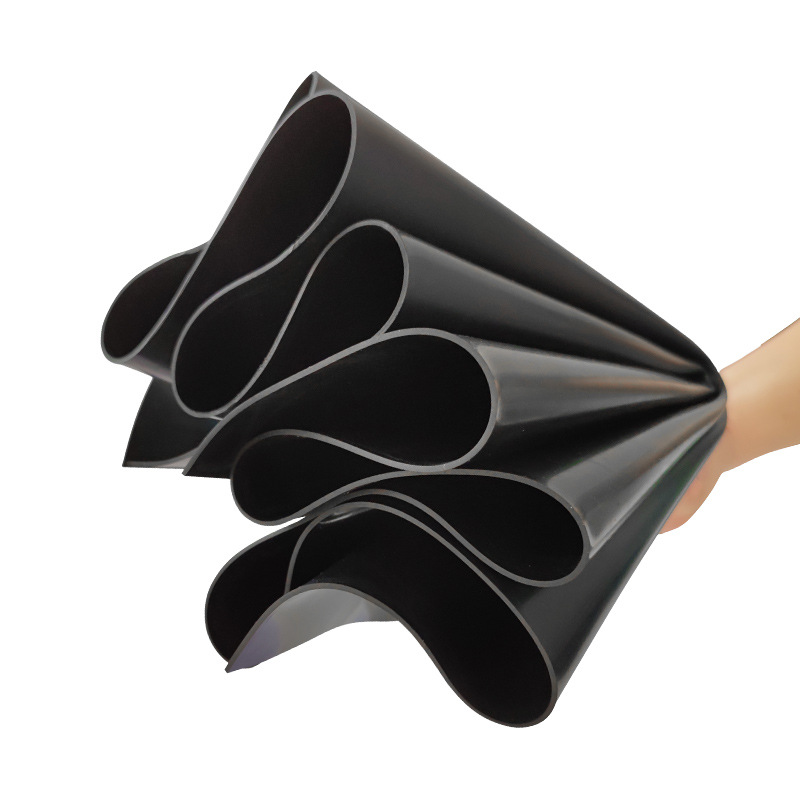
When selecting a rubber sheet, it’s essential to consider factors such as application environment, temperature range, chemical exposure, and thickness.
Neoprene Rubber Sheet: Ideal for outdoor and electrical insulation environments
Nitrile Rubber Sheet: Best for oil-related applications in petrochemical industries
EPDM Rubber Sheet: Suitable for long-term outdoor use
FKM Rubber Sheet: Best for extreme high-temperature or highly corrosive environments
Natural Rubber Sheet: Great for wear-resistant and shock-absorbing applications
High-temperature environments: Choose FKM rubber sheet
Low-temperature environments: EPDM or Neoprene rubber sheets perform well
Chemical environments: FKM and Neoprene rubber sheets are preferred
Thin Rubber Sheets (1–3mm): Used for sealing gaskets, insulation layers
Medium Thickness Sheets (5–10mm): Ideal for mechanical buffering, industrial soundproofing
Thick Rubber Sheets (15mm and above): Suitable for shock absorption, protective flooring, or large machinery protection
To extend the life of your rubber sheet, keep the following tips in mind:
Prepare the Surface Before Installation: Ensure the surface is clean, flat, and free of dust and oil.
Choose the Right Fixing Method: Depending on your application, use adhesive bonding, bolt fixing, or pressure plate fixation.
Regular Inspection and Cleaning: Prevent chemical buildup or debris that could accelerate aging.
Avoid Overexposure to Sunlight and Stretching: Minimize UV exposure and mechanical damage to maintain rubber quality.
Proper Storage: Store unused rubber sheets in a cool, dry place, avoiding contact with oils or chemicals.
Rubber sheets come in a wide variety of types, each offering unique advantages:
Neoprene Rubber Sheet: Great for weather resistance and general-purpose use
Nitrile Rubber Sheet: Best for oil-resistant applications
EPDM Rubber Sheet: Ideal for outdoor and weather-resistant uses
FKM Rubber Sheet: High-performance choice for extreme environments
Natural Rubber Sheet: Excellent for flexibility and wear-resistance
When choosing a rubber sheet, it’s important to consider the environment, temperature range, chemical exposure, and required thickness to ensure optimal performance and cost-efficiency.
Tianjin Qihang Plastic Technology Co., Ltd
12+ Years Expertise in Industrial Rubber Sheet Manufacturing • Global Export Leader • REACH/RoHS Certified
...[ Read More >>]


